


Glass has long been used in commercial architecture, from skyscrapers to sleek storefronts. But as the world becomes more focused on sustainability and energy efficiency, the role of glass in commercial design is evolving. Here is how the future of glass will look like in the Commercial design sector:
- Energy conservation
One of the most difficult challenges in commercial design is lowering energy consumption. Glass, especially large windows, can contribute to higher heating and cooling costs. However, advances in glass technology have enabled the development of energy-efficient glass that can aid in the reduction of energy consumption. Low-emissivity (Low-E) glass, for example, has a special coating that helps to reflect heat back into a building during the winter months, and keep heat out during the summer months. Solar-control glass, which can help regulate the amount of solar heat gain that enters a building, and insulated glass, which consists of two or more panes of glass separated by a gas-filled space that helps insulate a building, are two other types of energy-efficient glass.
- The smart glass
Another emerging trend in commercial design is smart glass, also known as switchable glass. Smart glass can change transparency and color on the fly, giving you more control over your privacy, light, and heat gain. Smart glass can also be programmed to respond to external factors such as light levels, temperature, and time of day, making it an excellent choice for commercial buildings with flexible spaces.

- Design that is biophilic
In recent years, biophilic design, which incorporates natural elements into built environments, has grown in popularity. Glass is a natural choice for biophilic design because it allows natural light to enter a building, which can improve occupant health and well-being. Glass can also be used to construct living walls, which can help improve indoor air quality and lower noise levels.
- The use of acoustic glass
Noise pollution is a growing issue in urban areas, and commercial buildings are not immune. Acoustic glass, which is specifically designed to reduce noise levels, is gaining popularity in commercial design. Acoustic glass is made up of two or more panes of glass separated by a layer of sound-absorbing material that can reduce noise levels by up to 50%.

- Glass that is decorative
Finally, decorative glass is a commercial design trend that is likely to continue. Decorative glass can be used to create unique and visually stunning facades, as well as to add interest and texture to interior spaces. Glass printing technology advancements have enabled designers to print intricate designs and patterns onto glass, opening up a world of possibilities.
- Bird-friendly: preventing bird collisions
Another important aspect of the future of glass in commercial design is the protection of birds and our company is making bird friendly glasses. Birds can be harmed by glass buildings because they mistake reflections for open spaces and collide with windows. New glass technologies, such as fritted glass and patterned glass, can help to alleviate this problem. Fritted glass has a ceramic coating that makes it more visible to birds, while patterned glass can be designed with visual markers that birds can see. Designers can also incorporate bird-friendly landscaping and bird-safe lighting into their designs to further reduce bird collisions. As the importance of environmentally friendly and sustainable design grows, we can expect to see more emphasis on bird-friendly glass in commercial design.
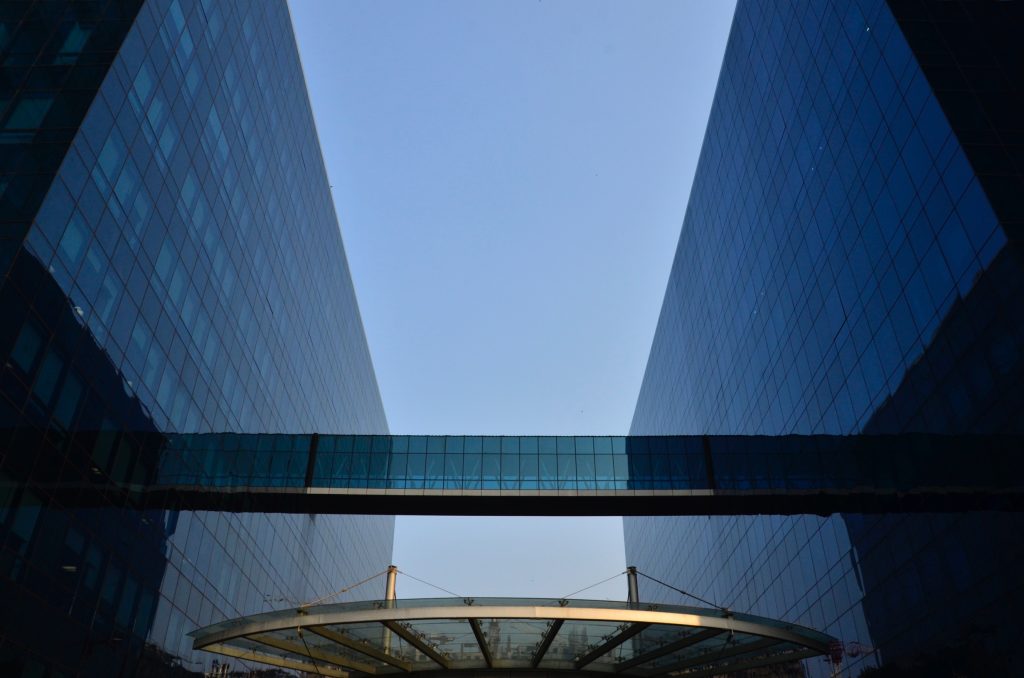
To sum up, new technologies and trends are emerging that will make glass even more versatile and sustainable, making it an excellent choice for commercial design projects in the future. A wide variety of applications of glass, such as energy-efficient glass, smart glass, biophilic design, acoustic glass, and decorative glass, are all capable of contributing to the development of aesthetically pleasing, practically sound, and environmentally responsible commercial spaces. In the years to come, we can anticipate seeing even more exciting developments as designers continue to push the boundaries of what is possible with glass.