


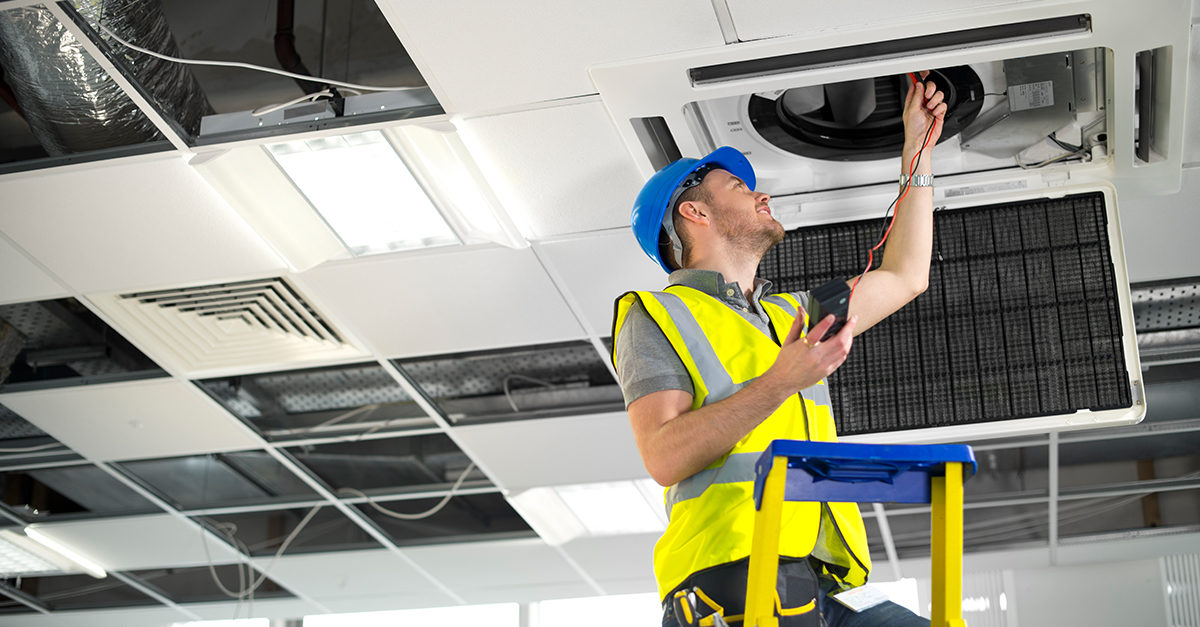
There are a lot of HVAC systems available in the market to cater to a wide variety of cooling demands. Giving an example of the split AC, which is the most popular type of air conditioning unit, Enrico Menzel, director technical services, Berkeley Services, says: “When air filters or coils become dirty, it obstructs airflow, decreases the HVAC system’s efficiency, reduces cooling performance, strains other components of the AC unit, and attempts to reach the temperature set on the thermostat, despite the system’s shortcomings. Alternatively, thermostats that are improperly installed or not calibrated regularly can malfunction, resulting in temperature discrepancies or causing the HVAC system to run for longer than necessary, which increases energy costs and shortens the lifespan of the asset.”
To prevent or resolve such issues, it’s important to schedule regular maintenance and inspections of your HVAC system, including cleaning or replacing air filters, cleaning coils, checking, and calibrating thermostats, inspecting refrigerant lines, and clearing drain lines. Additionally, it’s important to address any issues promptly and not delay repairs, as this can lead to more significant problems and higher repair costs in the long run. Menzel adds: “We can also use IoT in helping towards a Balanced Proactive Maintenance regime for the assets, where data parameters are taken into consideration, benchmarks identified etc, to assess the performance of the asset type against the OEM output specification for the asset. Data once assessed, can then be generated to accurately predict the maintenance regime of the assets which would lead to enhancing the overall efficiency and lifespan of the asset.”

Menzel says that regular maintenance plays a critical role in ensuring the efficient and effective functioning of HVAC systems. “HVAC systems are complex and have many components that require regular inspection, cleaning, and servicing to operate at their best. It plays a vital role as a utility in our day-to-day activities be it at work, travel, or home. The cost of HVAC systems varies, based on a number of factors such as the size of the property, type or brand of the HVAC system, energy efficiency, or usage pattern.”
HVAC systems account for up to 80% of electricity bills during peak summer months, whether in a private household or a large commercial facility. This means a healthy and maintained system is very important to ensure the right asset performance, keeping the costs low and ensuring a long life of the asset. For which regular maintenance and prompt repairs are mandatory, Menzel reveals.
In general, the maintenance of assets is based on preventive maintenance patterns which are set in the system manufacturer’s recommendation or engineering standards such as ISO 14644-4:2001 and are part of the common maintenance regime.

There can be potential health and safety risks associated with neglecting HVAC maintenance. Menzel says that HVAC systems that are not properly maintained can collect dust, dirt, and other contaminants, including mold growth. These pollutants can circulate throughout the air (especially in office spaces), resulting in respiratory problems, allergies, and other serious health concerns. Poor maintenance can also create fire hazards due to electrical problems or carbon monoxide leaks (if the wrong refrigerant is used), which can cause headaches, dizziness, and even death.
He adds: “To ensure good health and safety, it is crucial, especially with the availability of affordable digitalisation (IoT) that qualified, trained, skilled, and experienced technicians and engineers conduct mandatory maintenance in compliance with health and safety regulations.”