
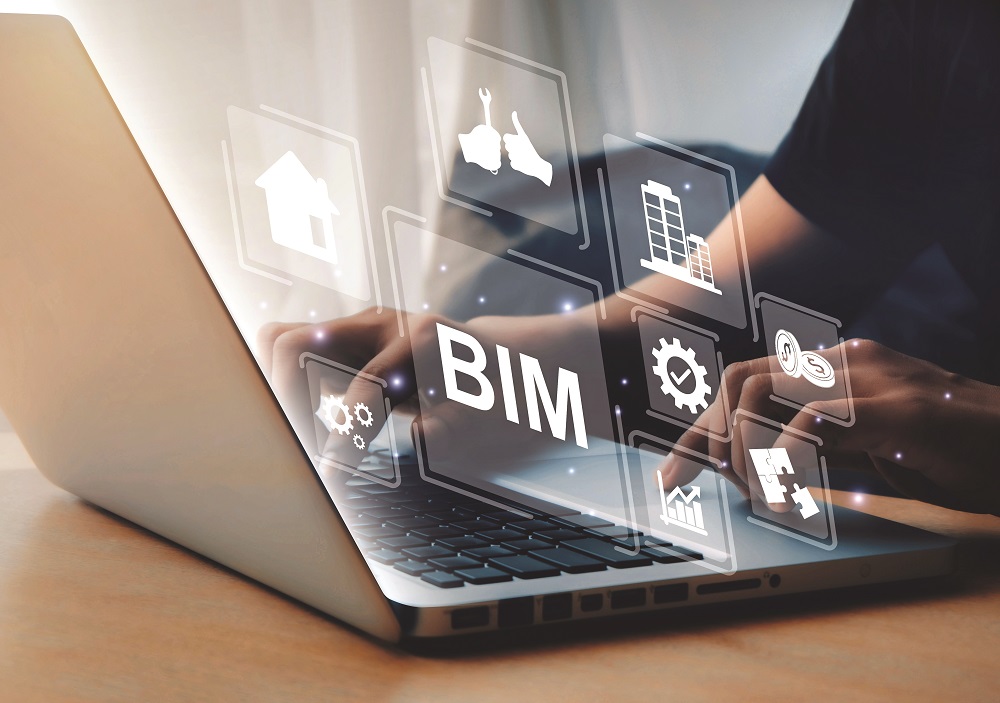
Building Information Modeling (BIM) technology is becoming increasingly popular in the facilities management and operations industry. BIM software allows users to manage and share building information across various teams. It also enables building owners and operators to manage their assets and operations better.
BIM provides many benefits, from improved collaboration to enhanced efficiency. Here is an in-depth discussion on the advantages of using BIM for facilities management and operations.
Understanding BIM for facilities management and operations
It’s important to understand what BIM is before taking a look at the benefits of using it. BIM is a way of creating digital models of buildings. These models can help with managing and operating a facility.
So, how does it work? First, someone creates a digital 3-D model of the building using a computer program. Then, they fill in information about the building, including:
- The materials used in the building
- The building’s size
- The building’s systems (heating, cooling, and plumbing systems, etc.)
With this information, facilities managers can plan for maintenance and repairs. It can also help with identifying potential problems and planning for future changes. Generally, BIM software helps facilities managers ensure that buildings are running smoothly.
Advantages of using BIM for facilities management and operations
BIM is a powerful tool that can help with efficient facilities management. Here are some advantages of using BIM for facilities management and operations.
Improved collaboration
Building Information Modeling can help improve collaboration. With BIM, all the information about a project gets stored in one place. So, everyone involved in a project has access to the same data. Therefore, people can work together more efficiently and effectively.
Another way BIM improves collaboration is by helping people share information. With BIM, it is easy to share information with those involved in a project. Thus, it gets easier to communicate.
BIM enables people to share data and collaborate with other departments more efficiently. It helps streamline the decision-making process.
Enhanced efficiency
BIM provides a comprehensive view of all data related to a particular building. That includes information on the structure of the building and its systems. In doing so, it enhances efficiency.
BIM is revolutionising the way facilities managers identify and solve problems. Thanks to BIM, facility operations teams can pinpoint the exact source of a problem. They can also identify the best solution. This helps to reduce costly inefficiencies as fewer resources get used in the problem-solving process.
Additionally, people can use BIM to simulate different scenarios. Doing so allows teams to anticipate potential problems before they arise.
Cost savings
BIM helps building owners save money in construction and building management. That’s because BIM helps people figure out the best way to build and manage a facility. The software can help plan how to use space and materials more efficiently. Owners don’t have to waste money on things they don’t need.
BIM can also help facilities managers figure out how to save energy and water. Doing so can lead to lower bills. BIM is useful in the maintenance of a building over time. It can help with monitoring a building. In doing so, facilities managers can ensure the building stays in good working order. This means that owners won’t have to pay for costly repairs or replacements.
Enhanced sustainability
BIM can help enhance a building’s sustainability by:
- Ensuring that a building’s energy use is efficient.
- Ensuring that a facility uses materials that are good for the environment.
- Ensuring that a building’s operations don’t harm the environment.
For example, BIM can help ensure a building is well-insulated. That way, the building will only need a little energy to stay warm or cool. BIM can also help ensure that a facility uses renewable energy sources. Overall, BIM can help make buildings better for the environment. - Improved asset management.
- BIM helps manage all the assets in a building. Assets include things like lights, plumbing, and air conditioning. BIM helps keep track of each asset and where it is in the building. With this software, it’s easier for people to know what is in the building and how to take care of it.
- BIM keeps information on building assets in one place. So, facilities managers can easily monitor assets and inventory. They can also ensure that the facility is running efficiently.
Better decision making
Better decision-making is one of the most valuable benefits of BIM. The tool provides facilities managers with a clear picture of a building’s current state. Managers can identify potential problems. They can then make quick decisions and address these issues before they worsen.
Data from BIM is also vital when it comes to making decisions about the future. With BIM, building owners can identify areas that need improvements. They can make better-informed decisions about the cost of any upgrades.
As mentioned earlier, BIM allows for better communication between stakeholders. In doing so, involved parties can make better decisions based on current information.

Increased productivity
BIM helps streamline the operations and maintenance process. As a result of this, it helps facilities managers increase their productivity. They can get more done in less time.
Using BIM, facilities managers find it easier to access information about a building. They can identify problems before they become major issues. In addition, BIM helps managers better plan for future maintenance and improvements.
BIM helps improve stakeholder communication and collaboration. When everyone is on the same page, it boosts productivity.
Enhanced safety
BIM can provide a complete view of the facility. Doing so allows operations personnel to identify and safeguard against potential safety risks. BIM also helps predict the impacts of changes to the facility. Users can better prepare for potential safety issues before they occur.
BIM can provide detailed information on safety features. These include evacuation routes and fire suppression systems. Moreover, it can help ensure that stakeholders follow all safety regulations. BIM can also provide real-time notifications of any safety incidents. Thus, users can quickly respond to any issues.
Harness the power of BIM for facilities management and operations
BIM is a powerful tool that can improve the management and operations of facilities. By using BIM, facilities can better meet the needs of their customers. The end result is that they can become more successful.
About the author
Anna Liza Montenegro is a trained architect and an accomplished marketing professional in the architecture, engineering, and construction (AEC) industry, she possesses both strategic and execution of marketing initiatives, go-to-market plans, and execute product launches. At Microsol Resources, she develops the marketing strategy, brand management, digital marketing, and other demand generation activities for Microsol’s strategic partnerships with Autodesk, McNeel Rhino, Bluebeam, Enscape, Chaos Group V-Ray, Panzura, Ideate Software, and other partners. When not marketing, she loves spending time with her kids, traveling, and summers in Maine.