

How does BIM add business value to interior design firms?
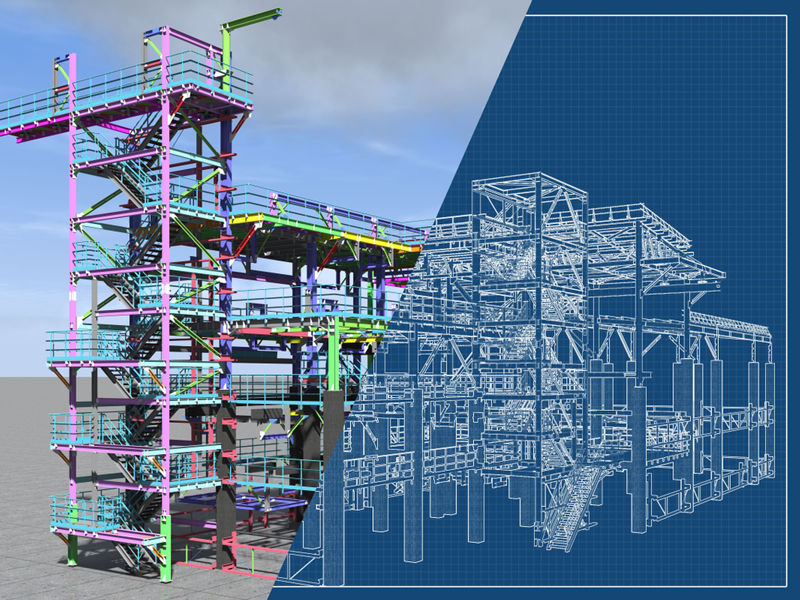
BIM adds tremendous value for interior architecture and design firms as it helps with collaboration among different building stakeholders, such as the architect and mechanical, electrical, and plumbing (MEP) engineers. BIM can also automate quantity takeoffs, tasks such as counting doors or furniture, and the creation of schedules. This results in fewer mistakes throughout the design process.
Is there any scope for interior design firms to monetise their services by adapting BIM?
In Switzerland, the Swiss Society of Engineers and Architects (SIA) provides guidance in its leaflet SIA 2051 “Building Information Modeling (BIM) – Principles for applying the BIM method” that designers should be compensated for the work they spend to create BIM models, if BIM is demanded by the building owner. Guidelines like this prove the case that designers should charge more when they are asked to use a BIM process, because BIM makes the interior designer more efficient and the BIM model offers great value for building owners and facilities managers.
What are the key challenges and opportunities for interior design firms which are considering using BIM for their projects?
I see two major challenges for interior design firms when considering BIM for their projects. The first is cultivating staff knowledge to implement new processes and workflows. The second is more technical – there are not many Industry Foundation Classes (IFC) entities for interior design, and these are necessary for optimal collaboration between project stakeholders. To mitigate this challenge, firms can create strategies to attach their own data to interior objects.
I see numerous opportunities for interior designers to leverage the benefits of BIM. Better collaboration during the life-cycle of a project will lead to greater efficiency and fewer errors and, ultimately, the ability to deliver better quality for clients. Other benefits include the ability to create numerous design variations in 3D, automatic scheduling, and rule checks for things like fire protection laws. In addition, BIM facilitates better clash detection and change management. Professionals can also take advantage of advanced presentation options while working with a 3D BIM model such as virtual reality.