


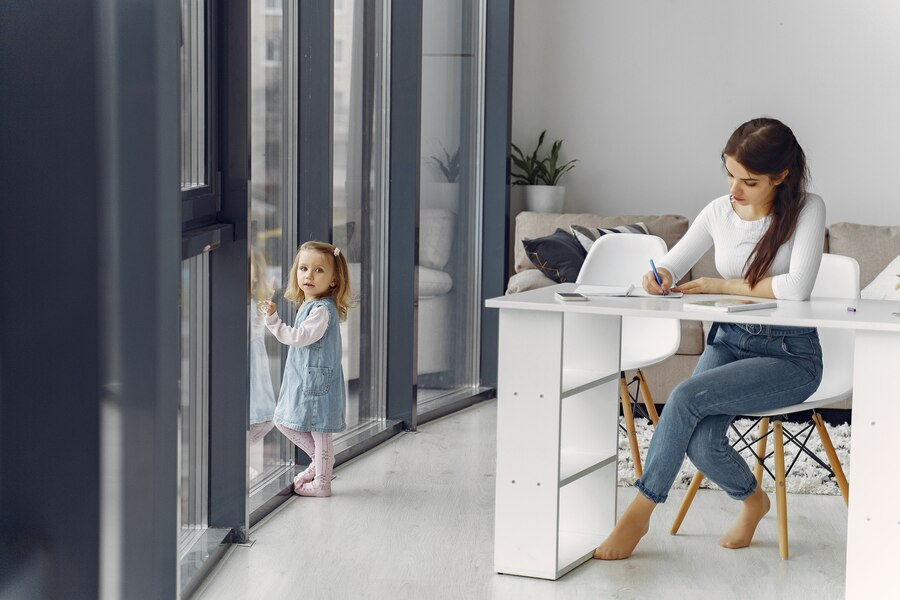
Designing for children in public spaces (playgrounds), commercial spaces (malls) or any other multi-functional space is not an easy task. The perception of size and scale is different from adults due to their shorter height and developing spatial sense. Children respond to colour and shapes, especially if they appear brighter and more animated (more human-like or animal like).
They like to see a personality or persona in every object. They do not think of objects or spaces as inanimate. And at last, children have the tendency to explore and area curious and therefore the notions of signage, typical flow of a space doesn’t apply to them in the same way that it applies to an adult.
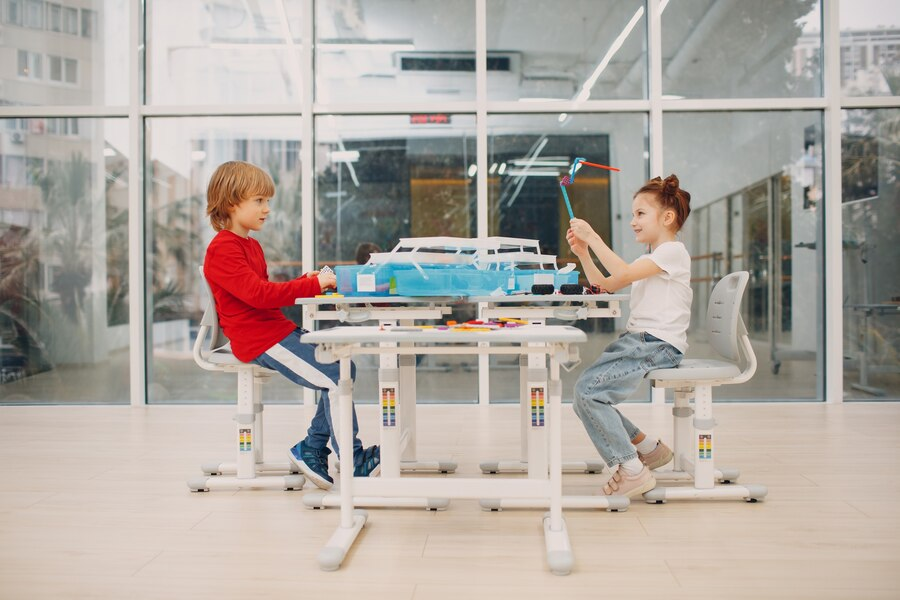
Here are five aspects to keep in mind when designing for children by Bikram:
- Safety: Ensure that walkways are well defined and inflated from traffic, have ramps for strollers, soft shaped handrails, ensure Electricals are out of reach, ensure that areas where children go alone have single entries so that children don’t get lost (eg: store layout). Since children can’t read – have verbal communication by an attendant (say in a play area). In areas where children are likely to run around, have softer flooring such as wooden flooring.

- Accessibility for Services: bathroom designed so a child can use (low height urinals, easy to reach door latches, touchless faucets, etc), ramps for strollers, diaper changing rooms.
- Make the space fun: children respond to bright colours and shapes and seem to cut out any forms that are dark or nuanced in shape…. For example jungle gyms should be coloured, Any piece of signage/notices that are meant to be read by child should be at lower height especially in schools which seem to put soft boards at adult height.
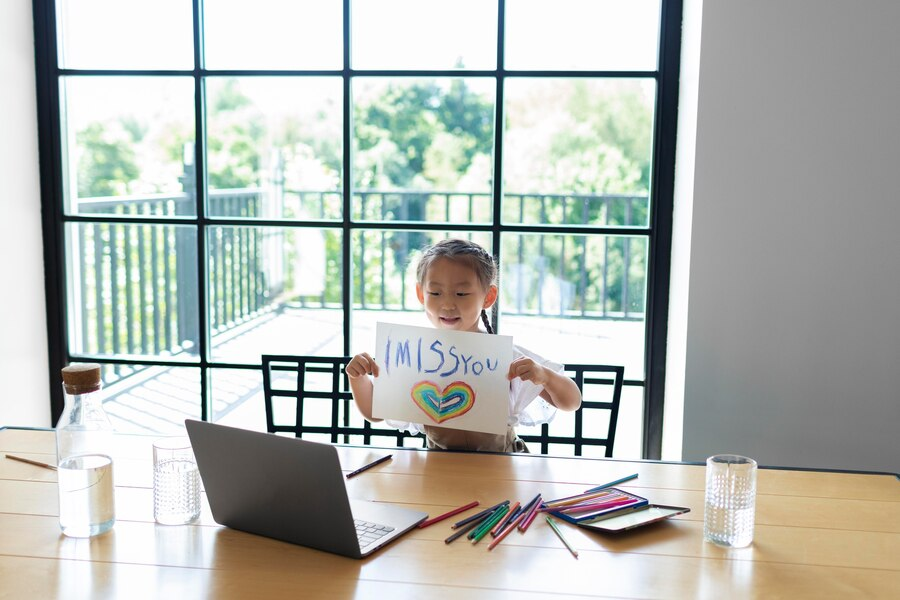
- Create spaces where children feel invited (say in a mall which is largely designed for adults): children make friends very easily and this is due to their lack of inhibition. Therefore, any learning activity works best when you create camaraderie between children so they learn from each other. This is also a tool to teach social interaction skills. Incorporate spaces into environmental design where children interact with each other -spaces for play, drawing or creating experiences such as music.
- Incorporate Nature: Children by nature are attracted towards nature. Incorporate elements such as grass, foliage, trees and flowers wherever possible to give a feeling of being outdoors. Use lighting smartly – daylight coloured lighting is the most natural and children respond best to it. Lastly, ensure fresh air is available at all times. If not an outdoor location, use fresh air ducting to keep spaces ventilated.