

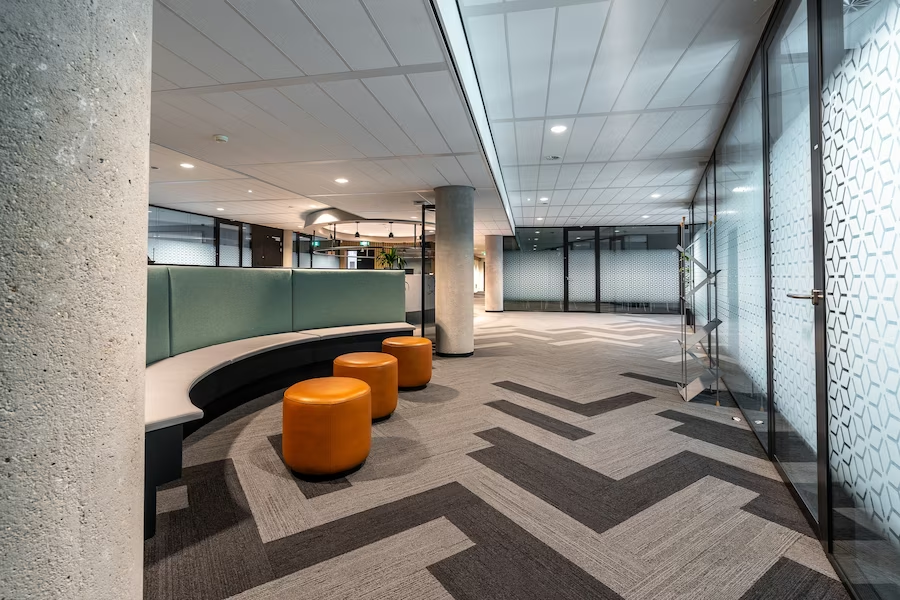
Reinforce the Identity of the Brand: It makes for a great start to take the first few design cues from the company’s identity, which aligns its aesthetic and functional vision accordingly. A space should wholeheartedly embrace and deftly lend a strong appearance to the personality of the client or company it houses. Some branding elements include subtle inlays in the floor, contemporary grill partitions, photographs or artworks incentivising their mission as a brand, and complimentary samples for an interactive approach. The brand’s aesthetic may also spatially extend to the textures of the space, especially if left bare to be refurbished as an exposed brick or concrete element within the design ethos. This concocts a harmonious balance and visual proportion to an otherwise mundane commercial space.
Layout Optimisation and Movement Exploration: Once you have understood the crux of the brand, a functional layout with coherent circulation would enhance the user’s experience, facilitate collaboration and promote communication between the team members. A clear distinction between private and public spaces is a fundamental guiding tool. External meeting rooms, conference rooms and restrooms should have direct access from the reception area, while private offices and workstations should be housed at the rear end with key-card access if required. Riding against the backdrop of space exploration and engagement, pantries and common decompression areas should be placed centrally, thus creating an ultimate sense of organised hierarchy.
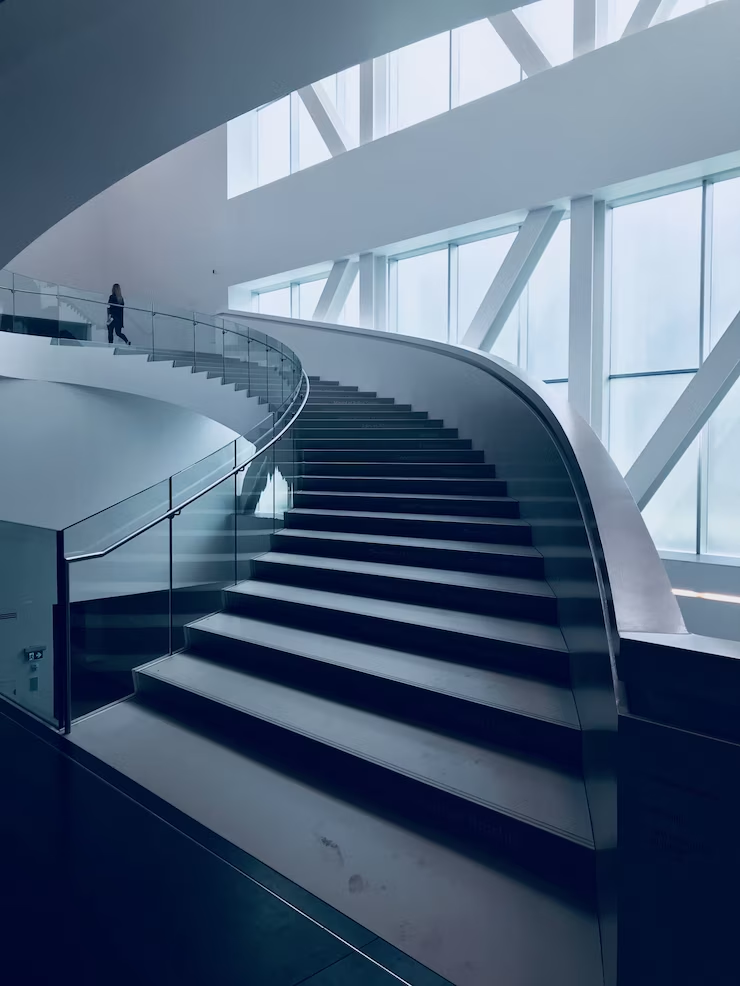
Flexibility and Adaptability: With several economies being reawakened after the tumultuous years of the pandemic, integrating a flexible modus operandi has become a key ingredient to a successful commercial design. Planning for electrical points on the floor and appropriating a lighting concept with future expansion in mind can contrive an optimistic long-term goal. Meeting rooms can be shorn of their roles and converted into work cabins as deemed fit for subsequent space requirements.
The Sustainable Way Forward: With a global climate crisis hovering above us, an energy-conscious approach becomes an essential player in the well-being of the space’s occupants. A biophilic design ethos can garner maximum workforce potential. Organic wall coverings, furniture fabricated from recycled or organic materials, using carbon waste tiles and incorporating indoor plants can help cultivate a green office setting. The aim is not to add a stamp of eco-sensitivity but to critically view contemporary design strategies.

Material and Colour Functionality: A balance between form and function is elemental. A project may have great appeal, but without appropriate functional ingredients, it could fail in the eyes of business owners. Contrary to popular belief, acoustic solutions can blend in without ruining the interior decor. These partitions can be taken beyond the false-ceiling, all the way to the ceiling slab, whilst also touching the floor beyond the false-floor to ensure minimum sound travel. Colour and texture can increase the pulse of the space while tying back to the brand’s identity.
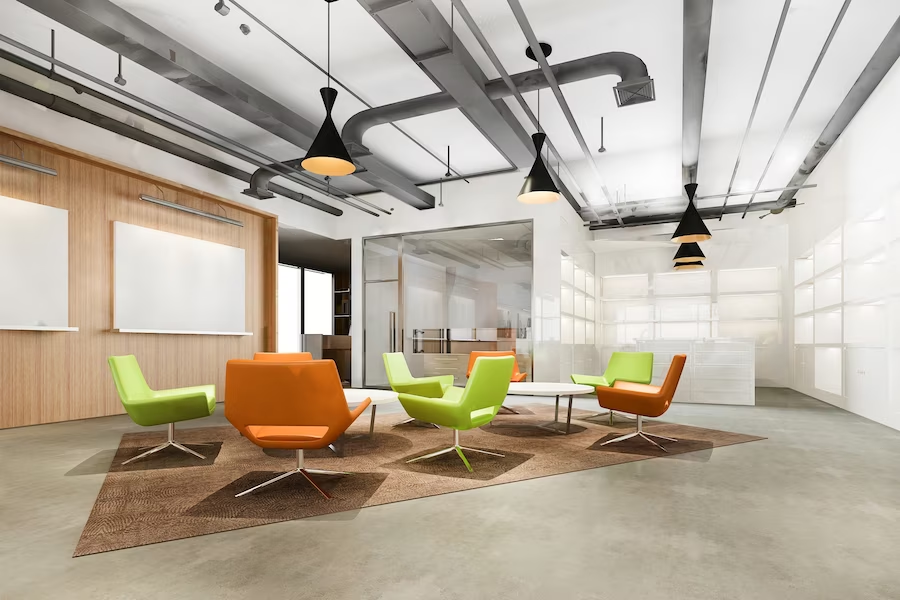
The interior architecture of a commercial space is likely to be influenced by the client’s goals, which is why it is of paramount importance to design with a purpose. As a space frequented by a host of patrons, delivering a practical, crisp, well-adorned and welcoming space holds chief position in the design journey.