


1. The Colors Palette To Be Used
The simplest and the most basic commercial design element is also the most important. Colors always play a key role in creating the desired look, feel, and appeal for a commercial space. Using the right color palette evokes favorable reactions and emotions within your employees and customers as they visit your commercial space.
Make sure your color palette is in sync with your business and its offerings. For example, using colors like grey, white, and sea green may not be the best option for designing a Chinese restaurant. On the other hand, these colors go well with a commercial design created for the headquarters of an IT company.
2. The Lighting Arrangement
Lighting and colors often go hand-in-hand when it comes to the importance of a commercial design. Make sure you include the areas you want to be lit more or less than the rest of the space. Clearly mention all the sources of light you want in the design brief. Whether you want your commercial space to be lit up more by natural light or artificial sources such as false ceilings and LED lights, brief your designers to prepare a layout accordingly

Along with the amount and sources of light in your commercial space, it is also important to add the colors you want light to emit. Make sure these colors are in sync with the central theme and the colors you want on the walls, furniture articles, etc.
3. Type Of Furniture To Be Used
Any interior design brief is incomplete without a mention of the type of furniture to be added. Residential designs often include the use of fixed furniture articles as there isn’t that big a need to move the articles around. On the other hand, most commercial designs involve the use of movable furniture. Movable furniture articles add to workplace flexibility and make movement within the premises easier. Movable furniture also includes articles with moving parts, such as desks with multiple drawers and shelves.

Make sure you specify the furniture articles you want within the premises and their uses. This will help the designers add the right articles for the right purposes. Also, inform your commercial interior designers about the way you want your furniture to look. In most cases, companies prefer following a specific shape or design pattern for all their furniture articles.
4. A Coherent Theme
If you have a specific theme in mind, make sure you add it to your design brief. Most businesses prefer using a coherent theme throughout their commercial spaces, especially if their ventures are spread across multiple locations.

It is always advisable to be very specific about your theme to ensure that it is ideally reflected in the design. Make sure your design theme is in sync with your brand and the customers you cater to. The theme used to design a fast-food joint is bound to be different from the one used to design a bank.
5. Break-out Area
If you want to design your office, make sure you include the breaking area in your commercial design brief. Break-out areas are spaces different from the ones your employees work in. These are often the common areas where all your employees can relax, have lunch, or have informal meetings outside their work areas.
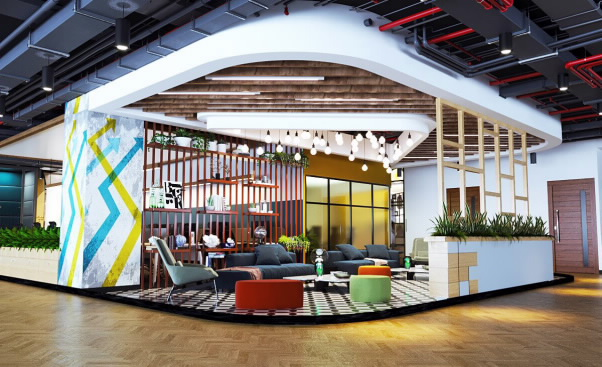
Especially in the post-pandemic world, the importance of break-out areas has significantly increased. Employees no longer want to spend all their time working at their desks. They want to take some time out to relax and rejuvenate themselves before getting back to work. Even if you are not able to dedicate a large chunk of your office space to a break-out area, make sure you dedicate some portion to your employees’ leisure.
6. Composition Of Desks And Cabins
Another important element worth adding to your office’s interior design brief is the composition of your desks and cabins. The manner in which the desks and cabins are designed affects your employees’ mood and work routine.
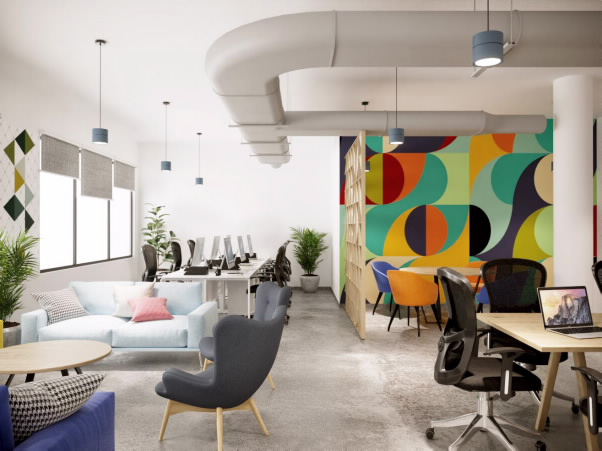
Make sure you specify the kind of floor plan you are looking for. After the COVID crisis, more and more businesses have opted for open floor plans. These plans eliminate walled cabins or cubicles, facilitating seamless collaboration and creating an inclusive work atmosphere. Ensure that you communicate these aspects to your designers in the best way possible.
7. The Use Of Nature
Over time, sustainable commercial designs have increased in prominence. Companies are opting for biophilic designs that add natural elements in commercial spaces, such as potted plants, furniture made of wood, and bamboo, etc., a mini waterfall, etc.

If you are interested in sustainable biophilic designs, make sure you express your vision in the design brief to your commercial interior designers. This will not only give an exotic look to your workspace but also let you build a symbiotic relationship with nature.