


The growing Indian retail industry is now witnessing tremendous growth and improvement in the quality of life of urban people. The increasing affluence of India’s consuming class, the emergence of the new breed of entrepreneurs, and a flood of imported products in the food and fashion sector have driven the current retail boom in the domestic market. This growth has been ably aided by various supply drivers: new entrants in the market, expansion plans of existing players, infrastructure augmentation, and the emergence of new categories. Together, these factors have set the ball rolling for the massive enlargement of the retail industry.
There has been a shift in the approach towards creating resilient and meaningful designs for the future. As we become more aware of our surroundings, physical commercial spaces are stepping up and offering an optimised and safe retail experience that engages users, creates experiences, and adapts to meet the consumers changing needs.

- Flexibility and Adaptability
Today, the true luxury that we seek is through the spaces we occupy. Hence, each space has to be carefully designed to accommodate the changing requirements while ensuring physical and mental well-being. With new innovations and increasing levels of comfort, transformation in the way of life has become very common. Hence, commercial buildings should be designed to adapt, evolve and change with time.
Retail spaces are now competing with the comfort of online shopping by creating newer experiences to meet the changing demands of consumers when it comes to shopping. As a result, adaptable design interventions that provide flexibility, such as providing both in-store and curbside sales, for an evolving audience will continue to be a priority for retail designers.
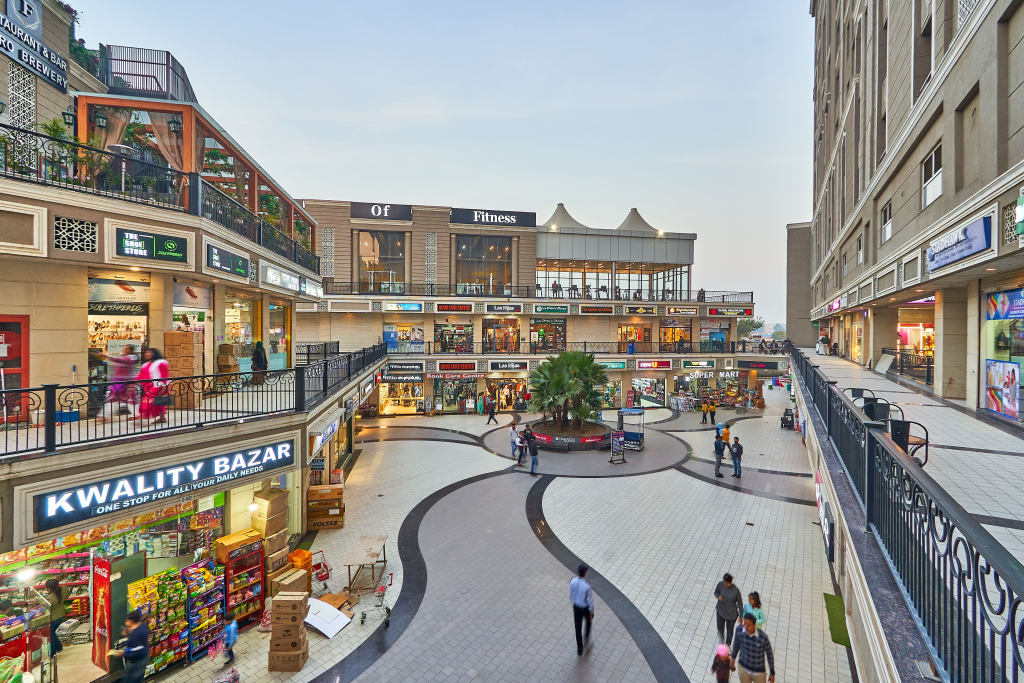
2. Open-to-sky Shopping Concept
One of the major factors that account for changing trends in retail is how consumers today seek new experiences as an essential part of shopping. The concept of retail, which includes the shopkeeper-customer interaction, has taken many forms and dimensions, from the traditional retail outlet and local street market shops to upscale multi-brand outlets, especially departmental stores. Hence, our approach towards the design of commercial spaces needs to go beyond the box-type monotony of modern buildings and provide a solution that is sustainable and connected to nature while offering ample opportunities for engagement.
One of the models to explore is the open-to-sky High-street ‘haat’ experience, as it offers the best of both worlds – access to multiple retail stores and safe open spaces for customers to engage with. The interesting aspect of this model is that it has all the facilities under one roof, along with multiple galleries, piazzas and landscaped courtyards that reinforce the users’ connection with nature.
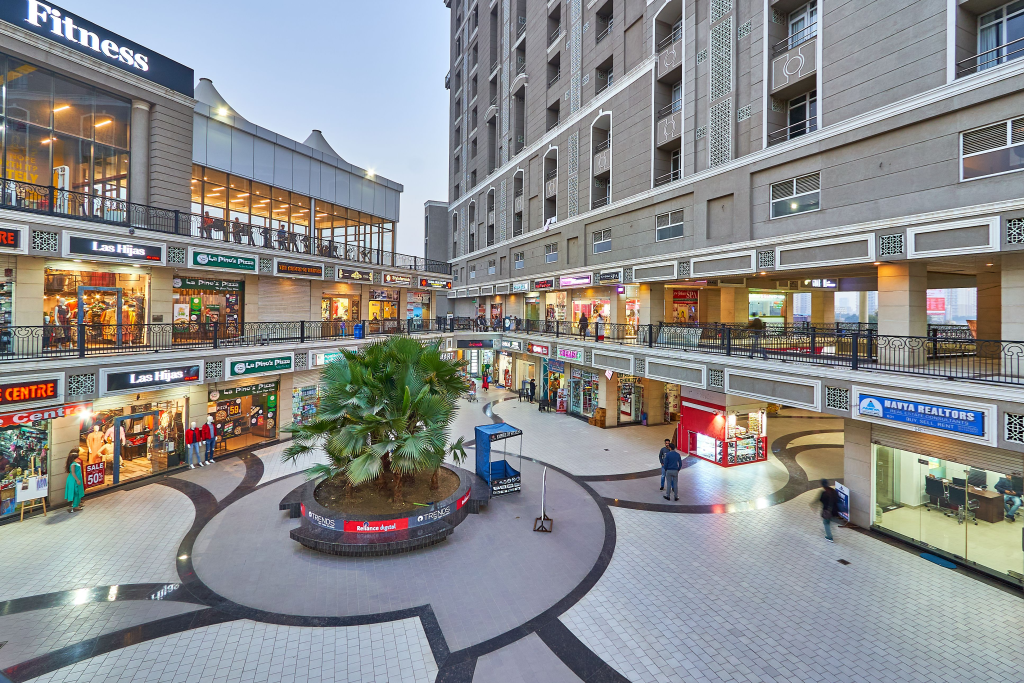
3. Incorporating the Traditional bazaar model
Designing for the expectations and experiences of a neighbourhood and a space that reflects the ethos of traditional market-driven social spaces is also rising. Incorporating elements and design criteria of traditional Indian bazaar models and the current day popular neighbourhood markets is therefore crucial. Indian Bazaars are highly popular amongst shoppers while also serving as socio-cultural places, connecting shopping streets and open courtyards, energised with activity. Drawing inspiration from the retail-oriented, mixed-use configuration of the traditional Indian street-chowk morphology, a mix of retail and residential uses must be tied together by a network of streets characterised by chowks that act as social landmarks or community spaces.
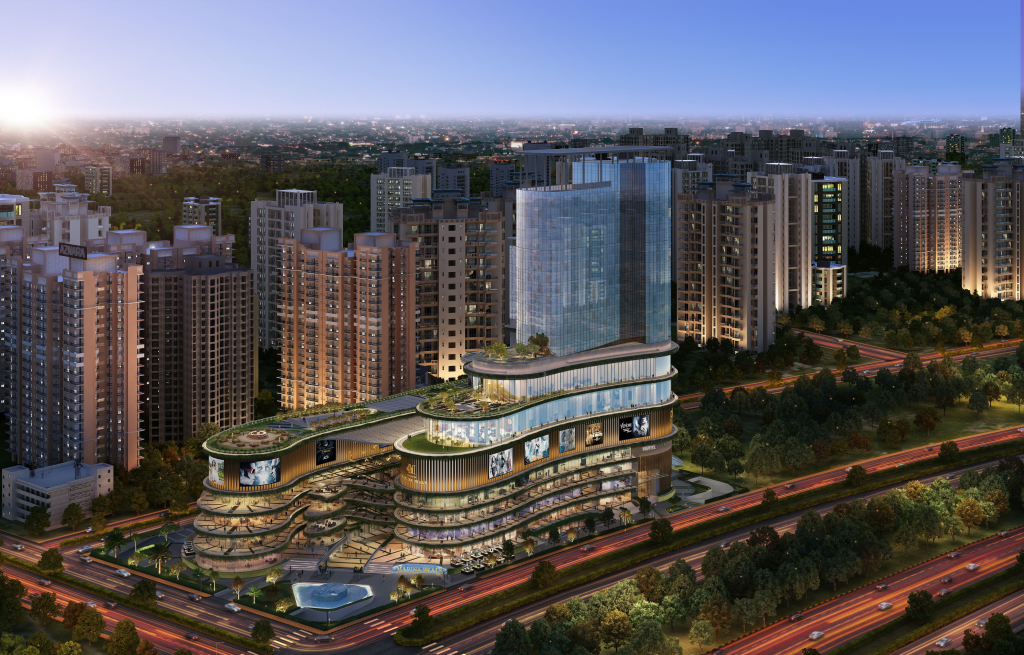
4. Designing for the Social Media Age
Today, the importance of brand identity and media presence among retailers has changed how we design retail spaces. One of the most popular and recent additions to the design brief is understanding the brand and designing an influential space that reflects the brand’s philosophy and design language to create brand identity in the market.
To prevent the decline of offline (outdoor) shopping at the hands of the growing trend of online shopping, shoppers need to be enticed into the stimulating environment of the premises to spend their money on the same product which may be available online. Design elements such as appropriate lighting and impressive aesthetics make spaces “Instagram-able”, creating brand identification among consumers and advertising through social media.
5. Sustainability and Green Practices
Sustainability and green practices have been the talk of the century, gaining importance, attention and priority every year. Apart from a retailer’s moral responsibility, consumers, too, are becoming extremely aware and knowledgeable of the negative environmental impacts and tend to prefer sustainable retail outlets for goods.
Natural elements and materials are becoming a huge design trend recently. Another trend we can see today is incorporating vernacular energy-efficient passive design strategies with innovative technologies to create a healthy and comfortable user environment while curbing energy consumption and costs and causing minimum impact on the ecosystem.
Public retail spaces not only impact the urban fabric but also have an impact on the national economy. Moreover, the shift from online shopping to multifunctional and impactful shopping experiences has challenged traditional retail designs as users continue to ask for more innovation. Today’s fast-paced world demands flexibility and adaptability in designs that are user-friendly and resilient to changing dynamics like the growing population. Hence, the design brief for retail spaces must adapt to the ever-evolving public demand and requirements.