

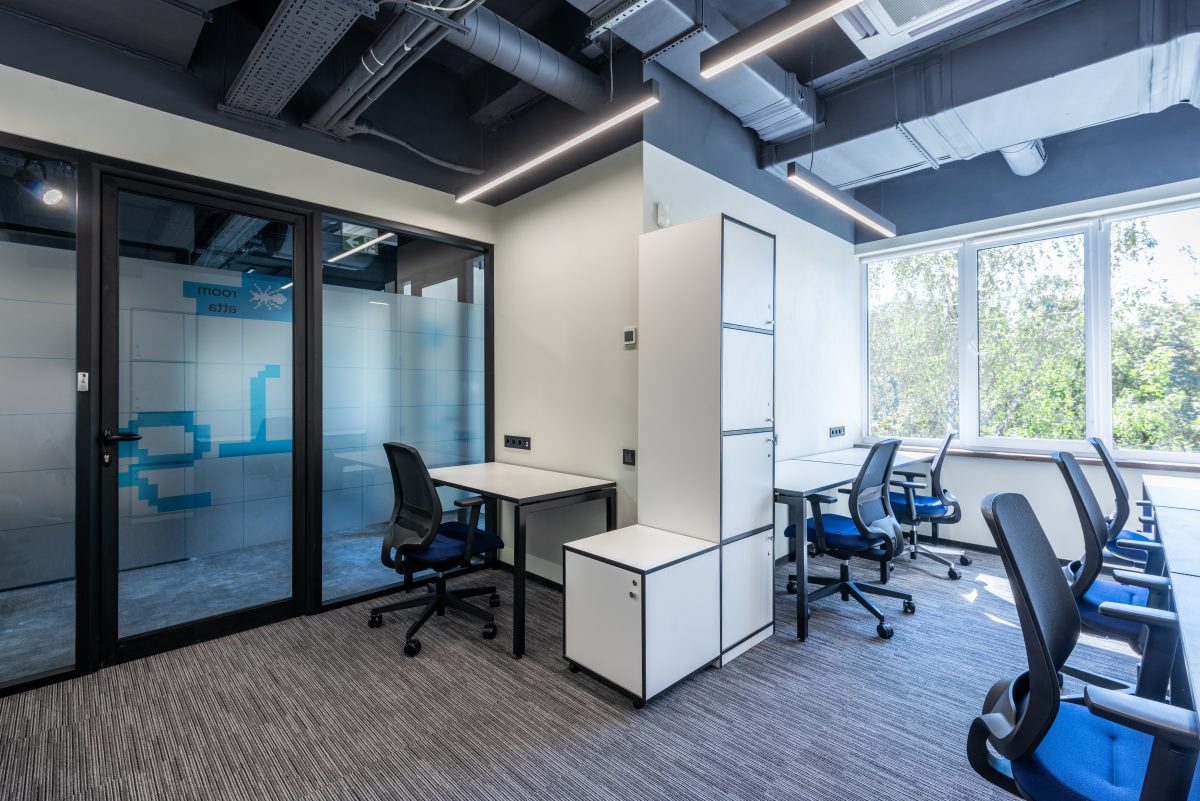
Natural light is an integral part of our well-being. Daylight affects our psychological and physical health, thus impacting us anatomically. The spaces we reside or work in are significant contributors to the same, and as a result, architecture and the built environment substantially impact human well-being. We thrive on natural light but spend much of our time indoors without access to daylight.

Research reveals that for employees, access to natural light is among the top priority for a favourable work environment. It also shows that sunlight is vital for our holistic well-being and can make humans feel lively and more content. But it’s also important to note that well-being is not entirely about feeling good, it’s also about functioning well, and these elements overlap. Happier employees are more energetic, more creative, better problem-solvers, and actively interact with fellow workers more effectively. When there is better access to natural light, it helps facilitate these outcomes. Stated below are a few ways daylighting affects the workplace environment and employee health:

Performance Gain Through Natural Light
An employee is a company’s greatest asset, which is why managing this resource is critical for optimum productivity, efficiency and sustainability. It stands to reason that better-rested, happier people are more productive. There is also a solid and irrefutable link between increased productivity and exposure to natural light in the workplace. Office workers spend most of their waking hours indoors; hence, getting daylight in the office can affect their well-being.
Exposure to natural light also improves concentration and boosts memory, which leads to apparent benefits related to work performance. For example, studies show productivity can notably increase when companies shift to buildings with improved natural light.
Another significant impact of adequate daylighting in a workplace is how exposure to dark and light regulates the body clock and our daily rhythms. Take the example of seasonal Affective Disorder, a type of depression. This depression is related to changes in seasons and increased exposure to darkness during the winter months when one has little or no access to natural light.

Health Benefits For Healthier Workplaces
Several case studies highlight that exposure to daylight reduces stress levels. It is also associated with significant mood improvements and better social interactions. Conversely, working for long periods without sunlight increases an individual’s risk of developing stress. Depression and seasonal affective disorder (SAD) are linked to disruption to the natural circadian rhythm. Research also proves that daylight helps people to be generally calmer and less susceptible to the impact of stress.
Workers with access to higher levels of natural light exposure in their offices have better sleep quality than their low-light counterparts. In addition, since people spend a significant part of their day at work, exposure to natural light at the workplace can have lasting benefits even after leaving the office.

Energy And Cost Efficient
Selecting a workspace with umpteen daylight will be a highly energy-efficient solution. On average, a significant part of the energy used in an office is used for controlling the temperature, space conditioning – and artificial lighting. Therefore, offices that receive more daylight can significantly save on heating, air conditioning or artificial light. Cutting down on this unnecessary energy usage also reduces a company’s environmental impact and provides the workers with more fresh air.
As conscious consumers and designers, workplaces must be designed to incorporate the maximum possible natural light. While this heavily relies on the building and space in question, one can endeavour to implement quick fixes such as positioning workspaces and critical areas close to windows. Furthermore, blend in with intelligent technology to ensure natural light works in tandem with artificial light to optimise energy efficiency. Lastly, utilising outdoor spaces with fully open or semi-covered areas offers employees an opportunity to work and evokes a connection with the outdoors.