


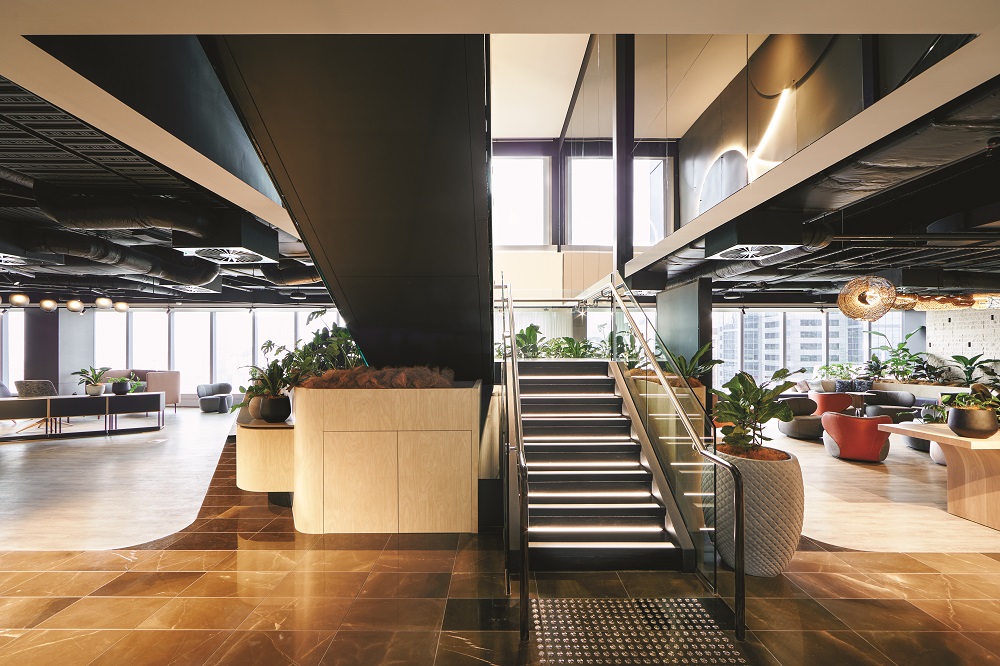
- What are the basic principles that underline the foundation of your design approach for workplaces?
The story always begins with the client and their goals. No design comes without an underlying strategic approach that blends the business needs, company goals and brand understanding to weave into the project’s purpose. This is the balance between the brand’s global and local context understanding to find a solution that needs to have a contextual foundation and be future forward.

- What are the major shifts taking place in this sector?
The working paradigm and way of working has changed. The future workspaces are based on allowing for more flexible working and collaborations and, most importantly, creating “destination designs” that will bring the employees into the office. The goal is to create a community in the workspace that brings people from WFH into the office as the aspirational space for them to communicate and collaborate and find a sense of belonging.
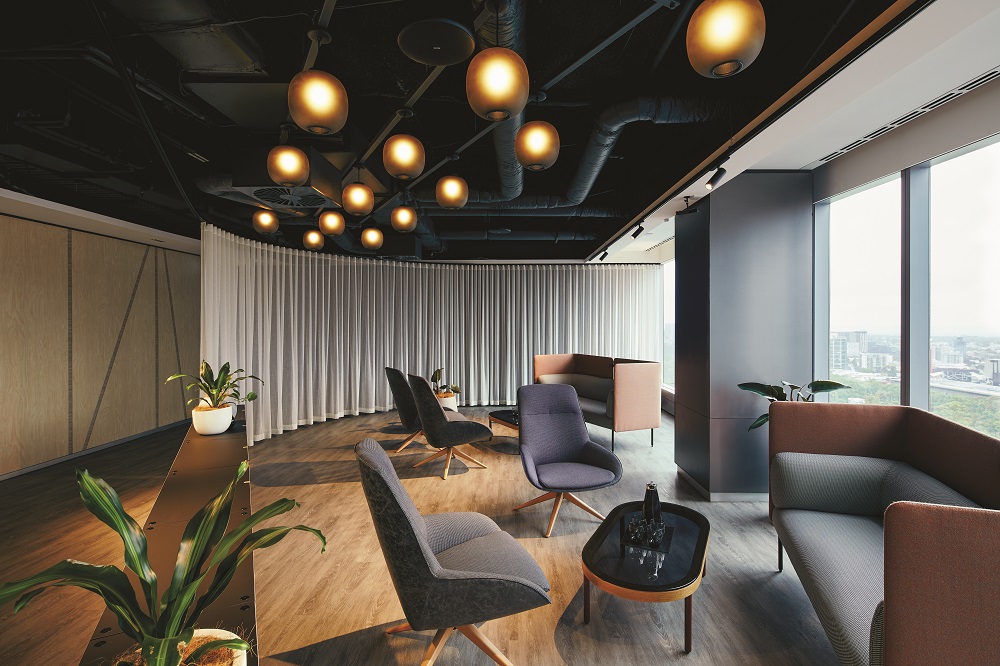
- How can workplace design be inclusive of people and their diversity?
As mentioned, the key in all workspaces is the ‘people-first’ philosophy. While keeping in tune with the ever-changing trends, we need to take into account design needs for inhabitants’ health and wellness, amenities, providing various options for employees to work from within the office, journey-based planning and making them belong. These shall remain the underlying foundation of an inclusive workspace design. Designing for building stack planning to create varying work-based neighbourhoods and enhancing lifestyle is key.

- When designing commercial campuses, what are the common challenges?
The main challenges on campuses begin with planning journeys. This is mainly about finding connections for people’s “day in the life” across locations, finding inside-outside connections and balancing and forming the ‘right brief’ about what the project requires.
The other challenge is to bring the future way of working into change management with companies and educate them on how to adapt, coach and partner with people to become productive adapting to future trends.

- Elements like flooring play a very critical role in varying aspects. What are the latest trends in this sector?
Flooring is the most significant physical element in design planning within the space. Aside from its textural physical component, it is the backdrop of the workspace landscape. Aside from the two mentioned facts, with changing technology, floors are also key in the LEED factor computations. In the visual aspect, the floors also bring the opportunity to balance the global guideline mandate with the local palette of design opportunities.
- How has it been collaborating with the Shaw Contact Global Design Awards 2022? How do you place India’s evolution into workspace design compared to designs across the globe?
The latest design awards really bring forth the commitment to design storytelling and discussion that they foster globally. It’s been an honour to have contributed to all the conversations and selected the global winner. Accolades to all who have been shortlisted as well.
India is the destination for corporate focus for most global brands due to the talent bank.
Finding the balance of global design formulae and future workspace impact in the Indian context will be key to watch due to the scale of investment vs team/project opportunity.
India’s evaluation and mapping are on the keen eye of all the key management as the landmark projects, and we all have a huge responsibility to make that a milestone.