


It’s 2022 and we are still being badgered with the reality of the “new normal”. We have seen a complete shift in the way we work in the last two years. Some are wondering if the changes we’ve witnessed are just passing trends? Will work-from-office be once again reinstated as the norm? The consensus lately has been that work-from-home (WFH) and co-working spaces are going to replace the typical office culture. However, we believe that reality cannot be boxed in generic trends.
Workspace trends will vary based on organisations and teams. What works for one team may not be as effective for another. According to us, it isn’t just about remote or co-working, the future of work is all about understanding the dynamics and need for hybrid, flexible workspaces. We have to recognise the need for flexibility in the way we ‘office’ and that it extends beyond the four walls of the physical space. The future of work will be about curating a unique company culture that best understands and, thus, responds to the needs of its diverse teams, be it WFH, WNH (work-near-home) or WFO (work-from-office). To accommodate this diversity, we see four types of workspaces gaining precedence.
ADAPTIVE WORKSPACES There is a need to balance the digital workplace with the physical workplace. Adaptive workspaces essentially provide the freedom and flexibility to work based on the strengths and the well-being of the teams. But it also takes into account the need for community and collaboration within an organisation. Hybrid workspace strategies are effective for both the company and its people. Each company will need to devise a strategy:
– How many days should we work from the office?
– Which teams work best from home?
– Which teams need access to nearby coworking spaces?
– What type of office layout and seating arrangement works best for us?
– What kind of support do WFH teams need?
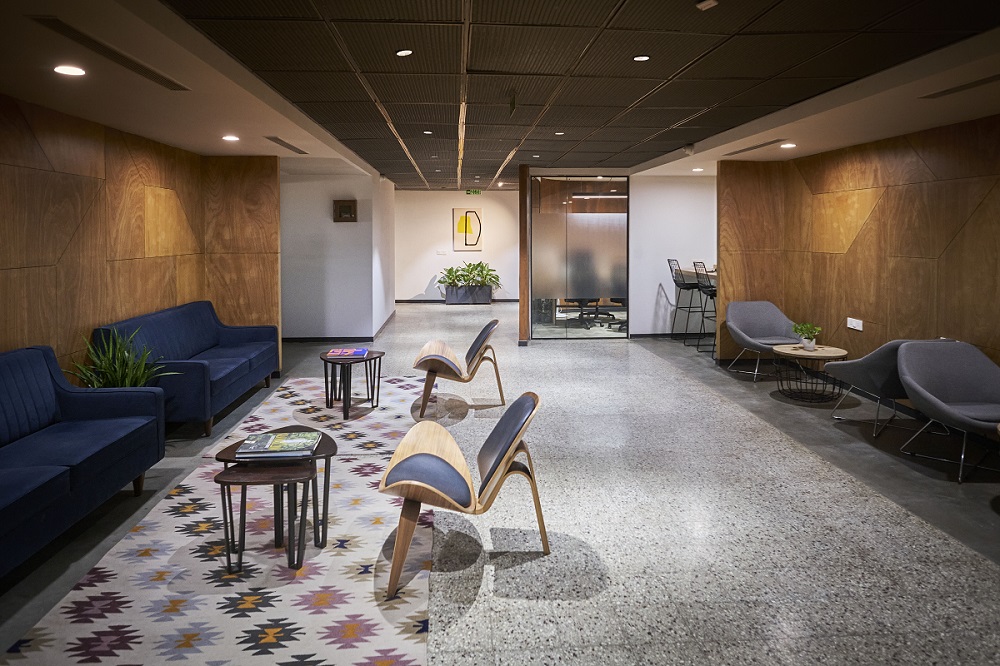
A complete WFH culture is proving to be detrimental for many companies, resulting in disconnect, loss of camaraderie among teammates, and weakened collaboration. Hence, curating an adaptive workspace is essential for them. Such a workspace will take into account the most productive environment for its people, ensuring they are not needlessly burdened or stressed. It would translate into flexible work hours or workdays, dedicated work-from-office days, and WFH options. In this setup, the physicality of the office will also need to be transformed. The company may need fewer seats, more huddle spaces and better team-building zones.
You can read more about the future of work and the other three defining workspaces here.
ABOUT THE FOUNDERS
Rahul Singh has over 16 years of experience in technology, financial services, private equity and real estate sectors. His passion for real estate led him to launch ClayWorks, where he oversees business strategy, sales and finance.
Abhijith Shashidhar is passionate about building amazing products out of India. Before ClayWorks, he was a real estate advisor and consultant to clients such as Mitsubishi Electric. Now he oversees the operations, projects, marketing, and tech departments of ClayWorks.
Founded by Abhijith Shashidhar and Rahul Singh, ClayWorks understands the potential and need for hybrid, managed workspaces in India. The Bengaluru based firm crafts workspaces that reflect their clients’ unique work culture, while also incorporating sustainable workspace strategies. Its signature HyFlexTM approach (Hybrid+Flexible) ensures that modern offices are adaptable and future-proof. ClayWorks is also the creator of Spotch, a WFH patent-pending workstation designed to bring flexibility in home offices. With its earthy, nature-filled ambience, ClayWorks is redefining offices and establishing itself as the favourite neighbourhood workspace