


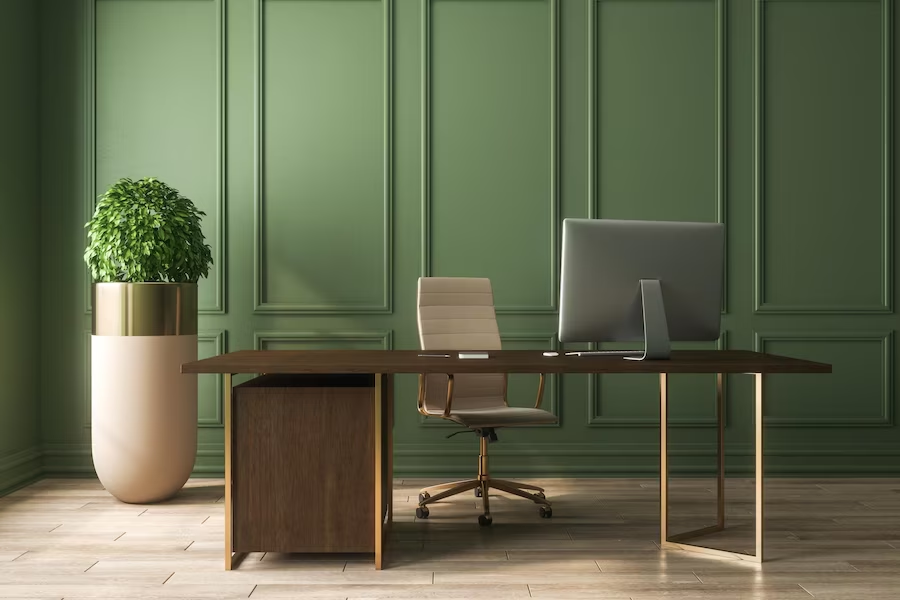
Repurposed furniture has been gaining popularity in recent years due to its environmental and economic benefits. As a designer, I believe that using repurposed furniture in the workplace not only helps to reduce the environmental impact of the furniture industry but also brings a unique character to the workspace. Let’s discuss the benefits of using repurposed furniture in the workplace and the impact it can have on the design aesthetic.

Environmental Benefits
There are many environmental advantages to using repurposed furniture. Manufacturing furniture is a waste-intensive industry that uses a lot of resources. We can lessen the amount of trash that ends up in landfills by reusing furniture. The Environmental Protection Agency (EPA) estimates that 9.8 million tons, or 4.1 percent, of the total municipal solid waste produced in the United States each year, are made up of furniture. We can lessen this waste and increase the usefulness of these materials by reusing furniture.
Additionally, reusing furniture uses fewer resources than producing new furniture. Raw materials like wood, metal, and plastic are needed to make new furniture, and these materials must be obtained through resource-intensive processes. The process of repurposing furniture, on the other hand, entails using pre-existing materials to create something new. This method uses less energy and produces less carbon dioxide.

Economic Benefits
Repurposed furniture not only benefits the environment but also the economy. Repurposing furniture can help businesses cut costs on their office furniture budget because it is frequently less expensive than new furniture. Businesses that use repurposed furniture can also take advantage of tax deductions and credits for their waste reduction efforts.

Design Impact
Repurposed furniture can significantly influence a workspace’s design aesthetic. Every piece of repurposed furniture has a distinct past and personality that can enhance the interior design of a room. Consider how texture and warmth can be added to a conference room by using a repurposed wooden table. The authenticity and sustainability of repurposed furniture can also reflect a company’s values.
Designers can also use repurposed furniture to make one-of-a-kind, custom pieces that are suited to a company’s particular requirements. For instance, a designer might use an old shipping container to make a distinctive meeting area. A unique workspace made possible by this kind of custom repurposing can set a business apart from its rivals.
As designers, we have a responsibility to create sustainable and functional workspaces that meet the needs of our clients while also reducing our impact on the environment. Using repurposed furniture is a step in the right direction toward achieving this goal.