



In an exclusive chat with Commercial Design magazine, Sumit Lakhani, Deputy CEO, Awfis, unfolds the forecast of coworking spaces in India, technology integration, the biggest challenges in the segment and more…

1. What are the demand trends for coworking spaces across the various sectors and cities in India? What is the forecast for the upcoming 3 years for this segment?
The coworking industry in India has seen significant growth over the past few years, driven by factors such as a rise in entrepreneurship, a shift towards distributed work, reverse migration and increasing demand for flexible workspaces from large corporates.
The demand for coworking spaces varies across different sectors and cities in India. Recently, with the rise of hybrid working, cities across India are witnessing strong growth with large corporates and startups alike. The demand for flex spaces is not limited to any specific sector but is being driven by a wide range of industries, including IT, e-commerce, media, and healthcare. In addition to this, coworking spaces are also gaining popularity among small and medium-sized enterprises (SMEs) and established businesses looking for flexible and agile office solutions.
As for the forecast for the upcoming 3 years, the coworking industry in India is expected to continue to grow at a rapid pace. According to latest industry reports, the completed stock of flex workspaces in India is expected to reach 80 million square feet by 2025, representing a compound annual growth rate of 15-20%. This growth will be driven by the increasing demand for flexible workspaces among large corporates, the rise of distributed workspaces, and the growing number of startups and SMEs in the country.
2. Significance of the role coworking spaces are playing in the present corporate economy
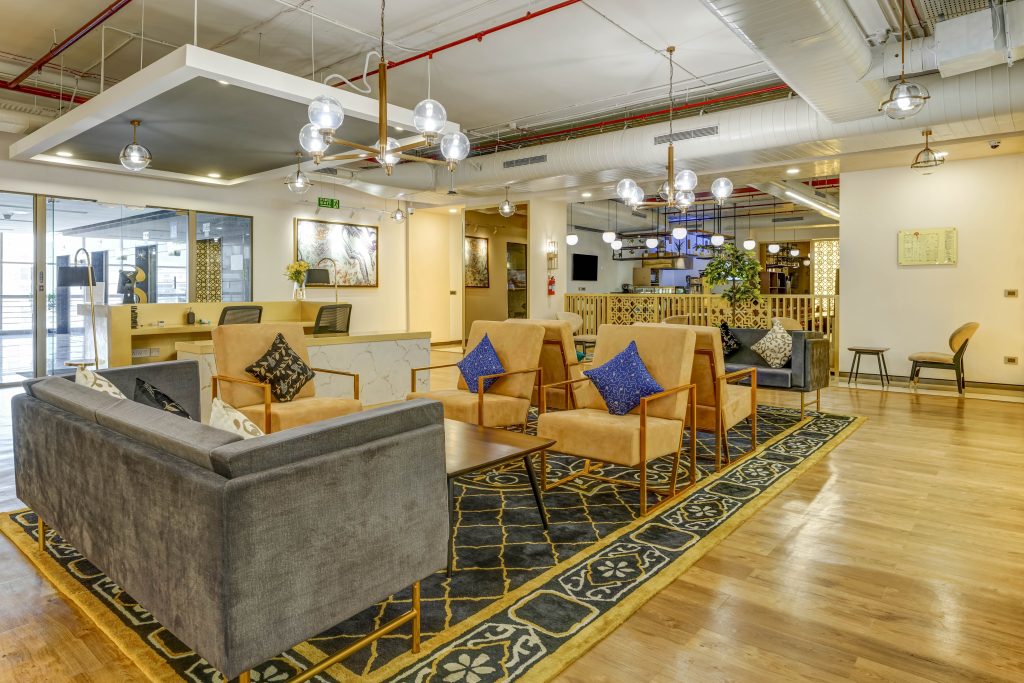
Over the last two years, offices have not only survived the pandemic but are being reimagined to be more cutting-edge as their very purpose is evolving. The demand for flexible office spaces continues to witness a surge as workplace transformation and portfolio strategies see a shift towards more hybrid, agile, collaborative, and modern workspaces in the current scenario. Today, coworking spaces provide a contemporary and flexible solution for businesses and individuals seeking to work in a dynamic and collaborative environment, without the constraints of traditional office spaces. This is helping drive economic growth, as businesses can access new markets and opportunities more quickly. Shared spaces also allow businesses to save on costs, as they can share the cost of renting a space, as well as other resources which in turn helps stimulate the economy by allowing businesses to invest more in their operations, resulting in job creation and economic growth. As the demand for flexible work arrangements continues to grow, coworking spaces are likely to play an increasingly important role in the present corporate economy.
3. What are some of the best practices deployed by the company within its facilities? What are some of the new technologies being integrated by the company?
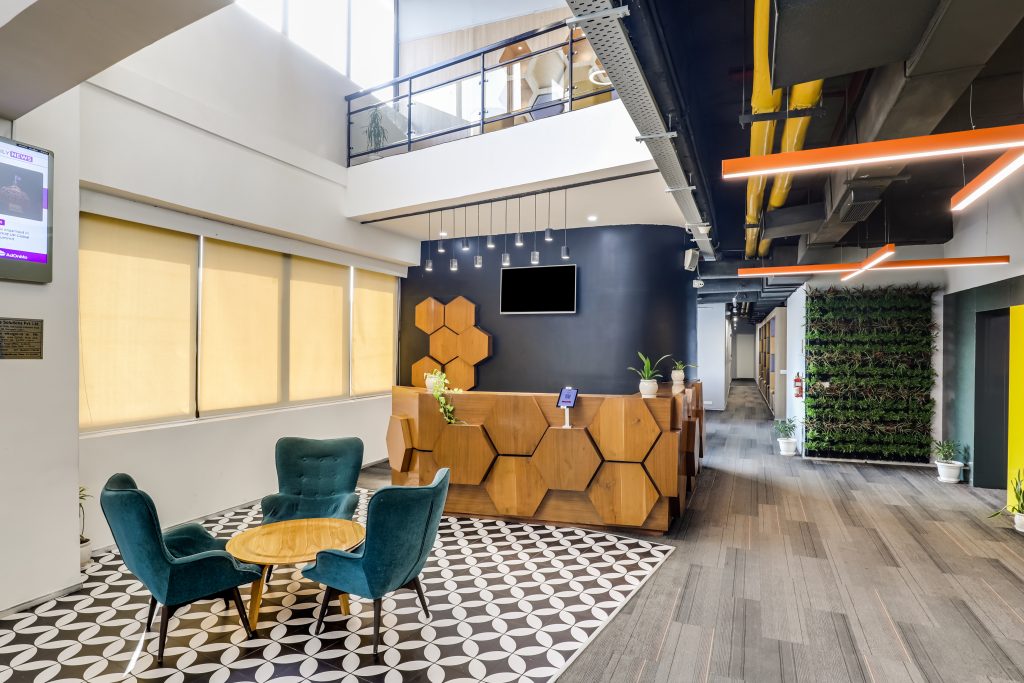
Enhancing employee experience through changes in workspace design such as open office, activity-based seating and incorporation of technology has been our strategy to increase collaboration and retain our customers. In the past, under our ‘design & build’ capabilities, we created bespoke workspaces for our customers with unique requirements and extraordinary provisions like hi-tech robotics, IoT, electrical labs, and a state-of-the-art experience centre with high-end retail display and collaboration which included a library and a display wall for employee artwork. The design and aesthetics of these offices are proof of the growing focus of new-age companies on creating multi-dimensional, interactive, and rewarding office spaces for employees. Offices like this promise to ignite creativity and enhance employees’ motivation levels, making the transition back to physical workplaces a fulfilling experience. Awfis has created in-house solutions for worker safety such as invoicing software, a booking engine, analytics, an AI-based Visitor Management System (VMS), IOT smart meeting rooms, POS, etc. These solutions complement one another and improve the user experience in the Awfis ecosystem. For example, VMS and Meeting room apps can communicate data with the booking engine. It also enables easier access to the reception area and conference room. Moreover, Artificial Intelligence (AI) technology, machine learning, and data analytics aid in the smooth running of Awfis. We have been able to expand without incurring any additional costs because of digital transformation and process automation. In the future, we want to pursue more AI and IoT-based initiatives that focus on data-centric solutions such as data mining. At Awfis, these solutions are intended to give a more secure, convenient, and seamless experience.
4. What are some of the biggest challenges in the sector currently?
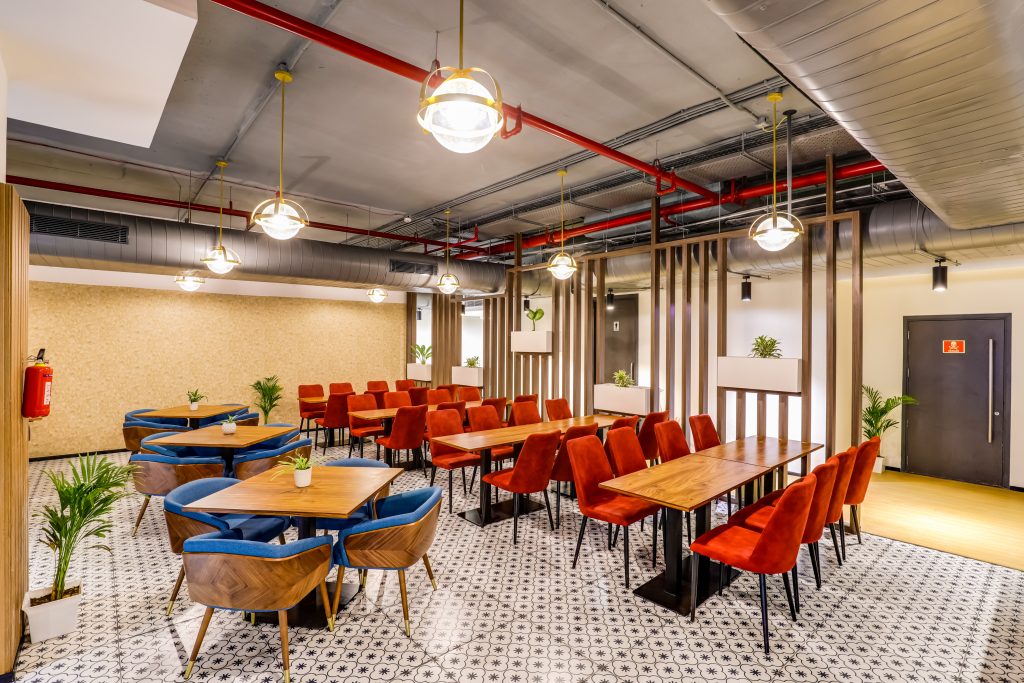
The coworking sector in India is becoming increasingly competitive, with new players entering the market and established players expanding their operations. This can lead to a more crowded market and sector consolidation. As many reports suggest, India still scored poorly when it comes to the ease of doing business. Since there are a host of rigidities around owning/leasing a property tagged with high taxes, it, therefore, undermines the actual value of properties. Hence, to attract more businesses to India and incentivize the commercial real estate sector that includes coworking spaces too, the government should give the commercial real sector an infrastructure status. This will ensure easier access to institutional credit, simplify the approval process, and help reduce developers’ borrowing costs. In some parts of India, there are infrastructure challenges, such as power outages and poor internet connectivity, which can make it difficult to provide a high-quality coworking experience. While the coworking sector has risen from the ashes, the government should focus on the upliftment of the startup sector along with an infrastructural development push in the tier II & III markets.

In addition to the above, one big challenge for large coworking players is to provide consistent quality of services across their multiple locations in order to offer the customer standardized workplace experience irrespective of location. We at Awfis, follow the ‘QSRE (Quick Service Real Estate) approach’ akin to quick service restaurant chains like McDonald’s, Subway, Starbucks and Burger King among others to solve for this challenge. This approach allows us to ensure consistency in our service standards, design, aesthetics, and product quality across multiple Awfis centres, anywhere in India, including Tier 1 & 2 markets.