


What were the significant milestones that have shaped ASSA ABLOY into one of the leading access solutions brands?
Raman Koul (RK): The first milestone for the company was in 2010 when we got an order for the then newly upcoming Terminal 3 building for the New Delhi airport, and it was around the same we went on to set up a trading entity called ASSA ABLOY Limited in India. Later in 2014, we acquired Enox, a brand into glass hardware, furniture fittings, sliding solutions, etc. This acquisition gave us access to an extensive network they had established. We accordingly expanded the India business to other neighbouring countries like Sri Lanka, Bangladesh, Nepal, Bhutan, etc. We eventually realised that to cater to this vast geography; we would need a manufacturing footprint in India. This was made possible by acquiring a leading hardware manufacturer, Shree Mahavir Metalcraft India Pvt Ltd., at Jamnagar in 2017. Through these years, we have also tried to restructure the organisation to make it more customer-focused. We created a strong specifications team in our organization structure to provide consultancy services for architectural solutions. We, also, have teams to ensure the brand offers exemplary service and customer experience. These millstones helped lay the foundation that has made ASSA ABLOY the most preferred choice of customers in this segment today.
Could you shed some light on the innovations happening in ASSA ABLOY’s product portfolio?
RK: If you look at ASSA ABLOY globally, it is one of the most innovative companies in the world. Innovation is in our DNA, and our products undergo a significant R&D process before they are made available to customers through our global supply chains. Our state-of-art R&D activities along with our broad range of products – be it digital, electromechanical or mechanical products – is what gives us a significant edge over others in the segment. Very few manufacturers can boast of such a diverse range of product portfolios across the technologies. None of our distributors or customers needs to look elsewhere for solutions – we have it all in-house. On the innovation side, we have also built up a structure, specifically for India, which will address the present and the future needs of Indian customers and specifically develop products for the regional markets, and manufactured in the country itself in our plant located at Jamnagar. We will be rolling out a wide range of new products into the market in the coming years – primarily in the architectural hardware and door control products segment.
Also, innovation is not only about products; it’s also about processes. Given this, we are also investing in the latest software that can provide a quick solution to our customers on their requirements. These are very customer-focused processes to improve customer experience management. Because businesses, ultimately, is not just about delivering innovative products, but also making it easier for customers to do business with us.
How is ASSA ABLOY, as a brand, supporting the ‘green movement?
RK: Again, we have a sharp competitive edge over the other brands and products in the market as we have a wide range of green building products. We also offer specifications support in providing our customers with the right solution for their green building. India is still developing as far as the green building concept is concerned. However, I am confident that we will see more awareness about green buildings in the country in the coming years, which will significantly give an edge to our goal.
What USPs does the brand offer architects and end-users?
RK: One of the foremost USPs of the brands lies in the broad range of products it offers. For example, when it comes to architectural hardware, the brand offers a comprehensive range of products – from door and glass hardware to furniture fittings.
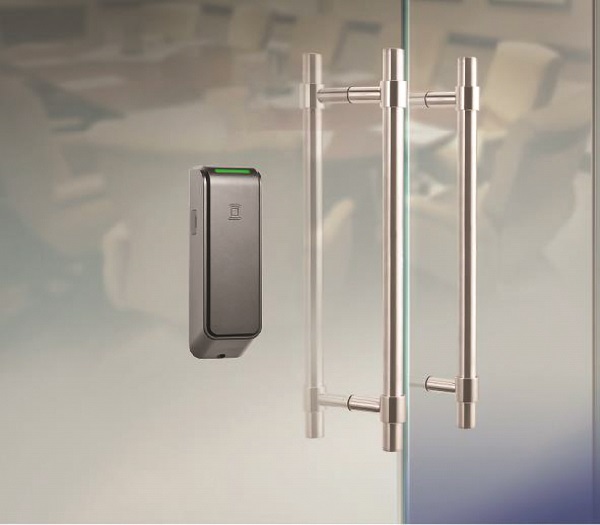
In addition to that, we also provide electromechanical products, automated doors, digital and smart access systems. Thus, as a company, our portfolio includes a relatively broad range of products encompassing mechanical solutions, electromechanical systems and digital technology – and very few manufacturers in the market have this USP over us.
The second USP is the company’s well-established global supply chain. Hence, we have manufacturing facilities located worldwide and are more resilient than others. We have an extensive manufacturing footprint with several regional setups, including India.
The third USP is that we have truly been a global company when it comes to access solutions. The lifecycle of our processes is significantly shorter than other manufacturers – the rate at which we launch new products to the time taken to manufacture these products that the market needs are what sets us apart.

How is the digital revolution impacting the industry?
RK: We now need to look at ‘security’, from a more technological and digital dimension. When we look at the commercial infrastructure, technological integration within security systems are still negligible – it has not been evolving at the pace it should be. Educational facilities and buildings still use manual locking systems such as locks and keys. Hence, we need to embrace technology when it comes to security much faster than we are currently doing.
India is digitising very fast, owing to its young demography. With the kind of urbanisation happening across the country, we’d expect higher acceptance of the digital revolution with the domain of ‘security systems’. Unfortunately, that is not the case. We need to embrace digitisation in security much faster than the current rate at which we are going.