



In today’s era of heightened environmental consciousness, architects and designers are at the forefront of promoting sustainable workplace design.
By harnessing their creative prowess and embracing a holistic approach, they can redefine the concept of workplaces, transforming them into beacons of sustainability and environmental consciousness.
From energy-efficient building systems to the use of eco-friendly materials and the seamless integration of nature-inspired elements, many visionary strategies are revolutionizing the way we conceive and experience workspaces.

Sustainable Material Selection
An integral aspect of promoting sustainability in workplace design lies in the conscientious curation of materials. Architects must give utmost significance to environmentally conscious materials with reduced carbon footprints and minimal life cycle impacts. This entails prioritizing the usage of recycled or upcycled materials, responsibly sourced timber, and low-VOC finishes. Incorporating renewable materials like bamboo or cork flooring, upcycled metal accents, and natural fibers for furniture upholstery also adds to the sustainability quotient while fostering a healthier workplace ambience.
Net-Zero Energy Solutions
With the pressing global concern of energy consumption, architects & designers started spearheading the implementation of net-zero energy solutions in workplace design. Some of the net-zero strategies include maximizing energy efficiency through intelligent building design, passive design strategies, and the seamless integration of renewable energy sources. The workspace design can also employ advanced technologies such as photovoltaic solar panels, geothermal systems, and energy-efficient building envelopes to achieve a net-zero energy equilibrium. Thus, by striving for net-zero energy consumption in workplaces, we can actively contribute to the reduction of greenhouse gas emissions and advocate for a sustainable future.

Bioclimatic Design Strategies
Harnessing the power of bioclimatic design strategies aids in creating workspaces that foster a harmonious connection with the surrounding natural environment. By incorporating design principles that leverage local climatic conditions such as solar orientation, natural ventilation, and thermal mass, we can optimize indoor comfort while minimizing dependence on mechanical systems. Deliberate integration of features like thermal roofs, shading devices, and building orientation significantly reduces heat gain, maximizes natural light, and establishes a symbiotic relationship between the built environment and the encompassing ecosystem. The integration of bioclimatic design strategies ensures workplaces that resonate with nature and exemplify energy efficiency.
Biophilic Design Integration
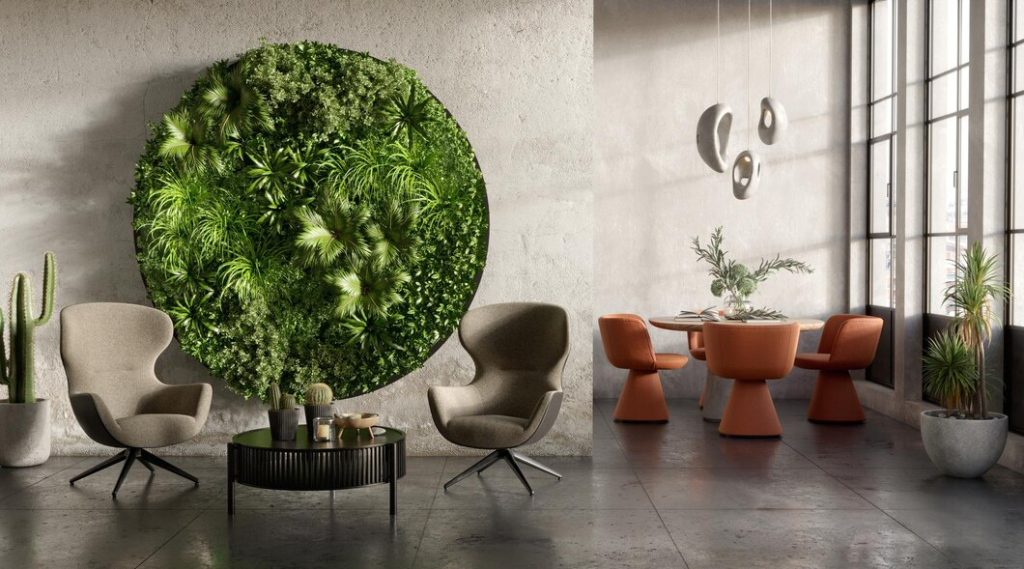
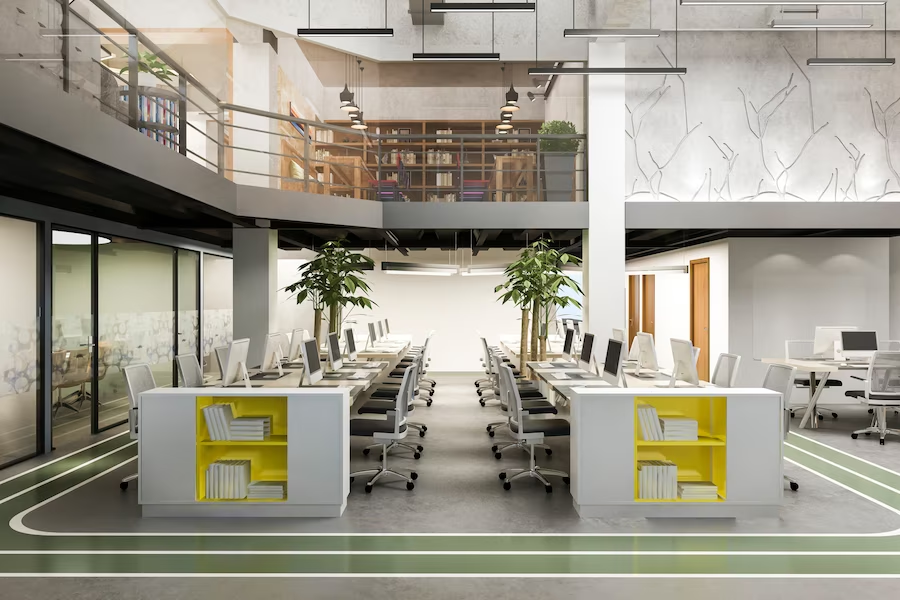
Inspired by the innate affinity humans have for nature, biophilic design has gained immense recognition in the realm of sustainable workplace design. Workplaces can be skillfully integrated with elements like indoor plants, living walls, natural materials, and strategic integration of nature views to create a captivating biophilic spatial experience. Green roofs, vertical gardens, and rainwater harvesting systems effectively mitigate stormwater runoff, enhance air quality, and offer delightful outdoor spaces for employees. These features not only enhance the ecological performance of the workplace but also promote employee well-being, productivity, and a profound connection with the natural world.

As stewards of the built environment, architects and designers can actively shape the narrative of sustainability in workplace design, driving positive change, and setting the stage for a greener world. Their commitment to elevating environmental responsibility becomes crucial in fostering a harmonious coexistence between nature and the built environment, ensuring a better future for all.