


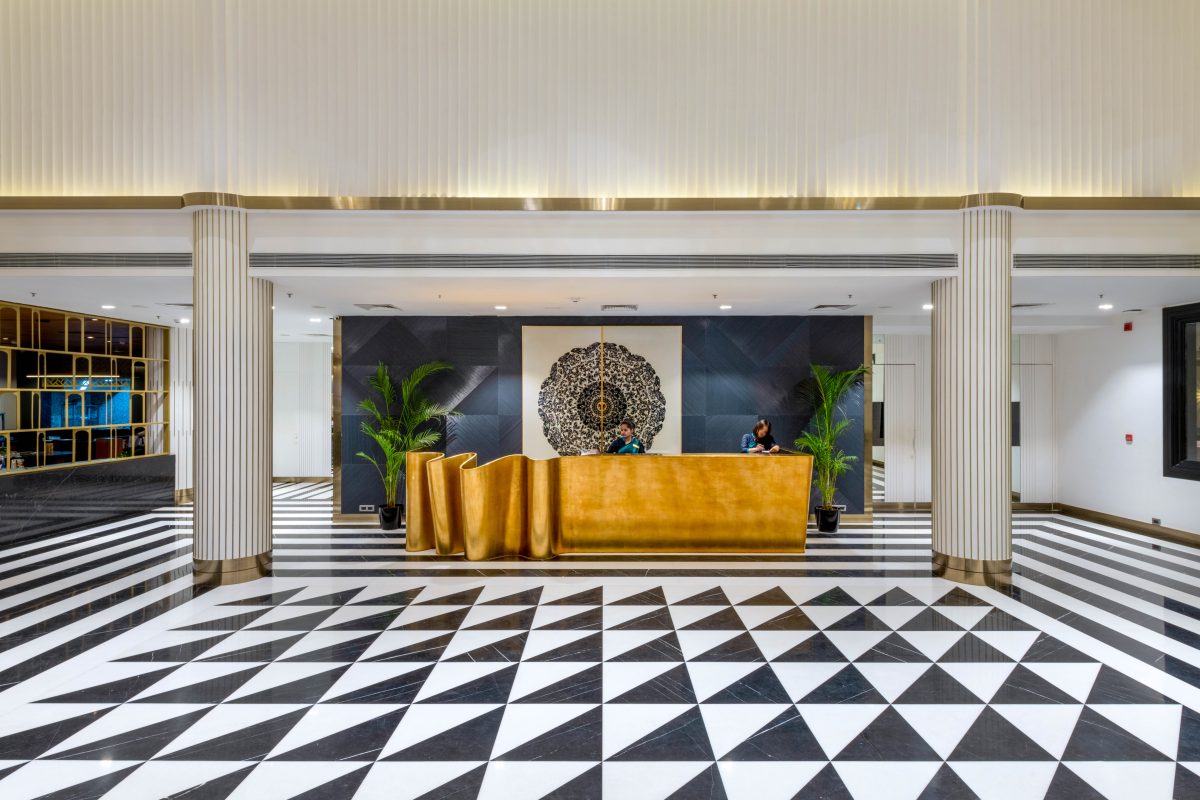
In the realm of commercial interior design, creating an appealing and harmonious space is essential to attract customers and foster a positive experience. One of the key elements that can transform a commercial space is the artful combination of patterns and textures. When executed with precision and creativity, the mixing of patterns and textures can add depth, visual interest, and a sense of personality to any commercial interior. In this article, we will explore the art of mixing patterns and textures to elevate the aesthetic appeal of commercial spaces.
Understanding Patterns and Textures
Patterns refer to repetitive designs or motifs that are present on surfaces, fabrics, wallpapers, or accessories within a space. They can range from bold geometric shapes to delicate floral prints, stripes, chevrons, or even abstract designs. On the other hand, textures encompass the tactile quality of surfaces, including materials such as wood, metal, glass, fabric, or stone. By combining different patterns and textures, designers can achieve a rich and diverse visual experience.
Start with a Cohesive Colour Palette
Before delving into pattern and texture mixing, it is crucial to establish a cohesive color palette for the space. Select a primary color or a dominant colour scheme that sets the tone and guides your pattern and texture choices. This foundation will help create a harmonious backdrop that allows the patterns and textures to stand out while maintaining a cohesive overall look.
Balance and Contrast
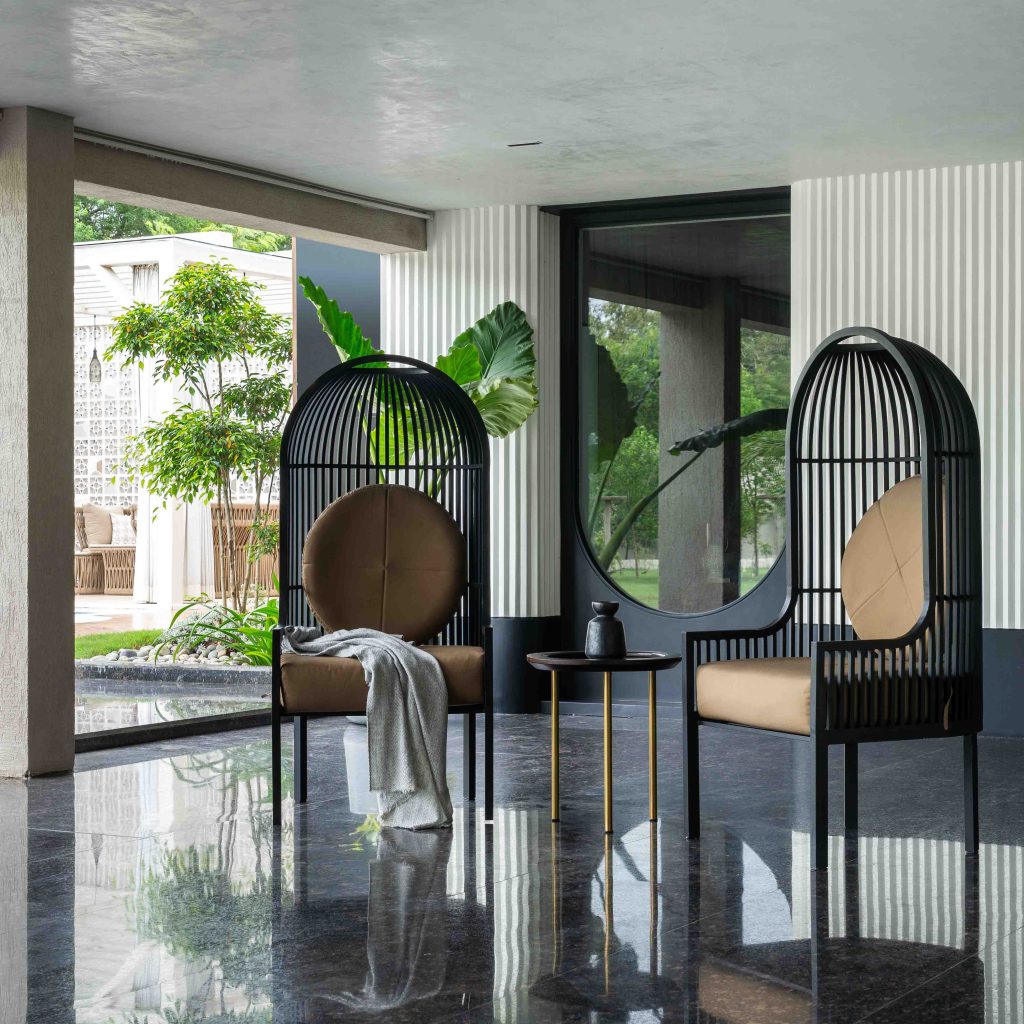
Achieving a well-balanced composition is key when combining patterns and textures. Strive for a harmonious blend of contrasting elements, such as pairing a bold geometric pattern with a more subtle texture. The contrast adds visual interest and prevents the space from feeling overwhelming. Consider the scale of patterns and textures to maintain equilibrium – mix large-scale patterns with smaller-scale textures or vice versa.
Unify with a Common Element
To avoid a chaotic aesthetic, unite the various patterns and textures with a common element. This could be a recurring color, shape, or theme that runs through different elements of the space. For example, a repeated colour in different patterns or a shared geometric shape can tie together seemingly disparate elements and create a cohesive visual narrative.
Layering and Proportions
Layering patterns and textures can add depth and dimension to commercial interiors. Experiment with layering different patterns on walls, floors, and upholstery to create an inviting atmosphere. Be mindful of proportion – vary the scale of patterns and textures to maintain balance. Consider incorporating different textures through furniture, fabrics, and accessories to introduce tactile interest.
Focus and Accentuation
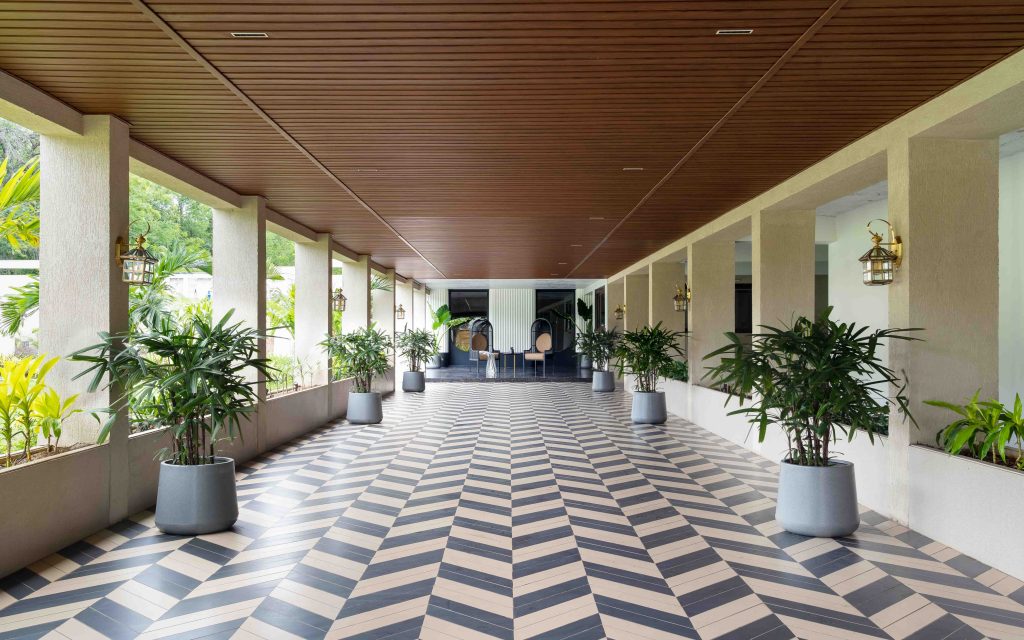
Guide the viewer’s attention by strategically placing focal points within the space. Highlight a specific area or architectural feature by using a bold pattern or an eye-catching texture. This technique draws attention and creates a visual hierarchy, enhancing the overall design impact.
Experiment and Personalize
While there are guidelines to follow, mixing patterns and textures in commercial interior design also provides an opportunity for experimentation and personalization. Use your creativity to incorporate unexpected combinations that reflect the brand’s identity or purpose of the space. Embrace uniqueness and allow patterns and textures to tell a story, making the commercial interior truly memorable.
Conclusion:
Mastering the art of mixing patterns and textures in commercial interior design opens up a world of creative possibilities. By understanding the principles of balance, contrast, and unity, designers can transform commercial spaces into captivating environments that leave a lasting impression on customers. With careful consideration of colours, layering, proportions, and focal points, commercial interiors can become dynamic and visually engaging, embodying the brand’s essence and elevating the overall experience for both clients and visitors.