



As the new-age workplaces sort through ideal work environments that mix positive employee experiences with productivity, there’s a growing recognition that the pre-pandemic offices, such as the nondescript cubicles, just aren’t cutting it anymore. This change in working patterns has brought about the need for new office designs that can cater to the needs of both remote and office-based employees.
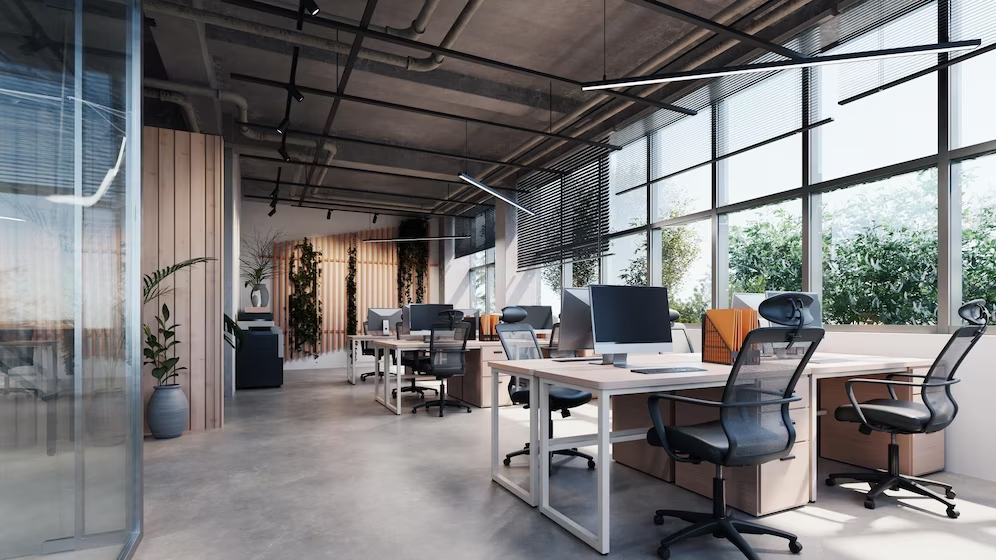
There are several crucial factors to consider when designing an office for the hybrid working era. In this article, eminent architects and designers provide us with some key considerations and strategies to create a workspace that can support hybrid working.

Flexibility is Key
Flexibility can be a catalyst for new ways of working and can redefine how the workspace can help people thrive. Hardesh Chawla, Principal of Essentia Environments, says, “A flexible office layout can accommodate the needs of both remote and regular office structure. This can be achieved by introducing design elements such as movable walls, adjustable furniture, and open spaces that can be easily reconfigured. Providing a variety of work settings, such as individual workstations, meeting rooms, and collaboration spaces, also give employees the flexibility to choose the best working environment according to their requirements.”

Technology Integration
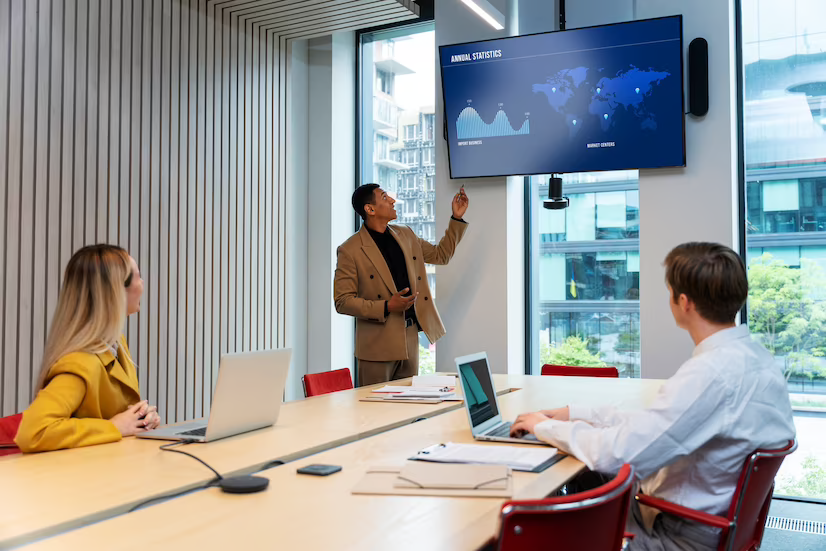
Technology plays a crucial role in hybrid working, and it is essential to design an office that can support the use of technology. This includes providing fast and reliable Wi-Fi, video conferencing facilities, and other tools that enable remote collaboration. Hardesh also adds, “It is essential to ensure that the office infrastructure can support the use of technology, such as providing sufficient power outlets and integrating tech-friendly features like docking stations.”
Sustainability
Sustainability is another critical consideration when designing an office for the hybrid working era. Ar. Sumit Dhawan, Founder and Principal Architect of Cityspace’ 82 Architects, suggests, “Incorporating sustainable design principles not only benefits the environment but can also improve employee well-being and productivity. This can be achieved by designing buildings that make use of natural light, ventilation, and energy-efficient systems. Using sustainable materials and promoting practices like incorporating indoor plants or sunken gardens (in case of basements) can also help to create a more efficient workplace.”

Health and Well-being
Employee health and well-being have become a top priority in the wake of the pandemic. Ar. Sumit asserts, “When designing an office for hybrid working, it is important to prioritize employee health and well-being by creating a space that promotes physical and mental well-being. This can be achieved by incorporating elements such as natural light and ergonomic furniture that promote good posture and reduce the risk of injury.” Providing facilities like on-site gyms, gaming areas, and cafes can also help to promote employee health and well-being.

Although the future of work is in flux between many choices, hybrid work represents a compelling option for many organizations. Hybrid work culture is here to stay, serving as a smart choice in creating a happier, healthier, and more productive work environment.