


Great design has the power to transform lives. It influences everyday lives, even if we don’t realise it. It impacts everything – from the clothes we wear, to the cars we drive and even the environments we live in. Good design focuses on problem-solving. Take the Apple iPhone, for example. It’s no longer just a phone, rather it has completely transformed the way in which we interact with one another and the world around us.
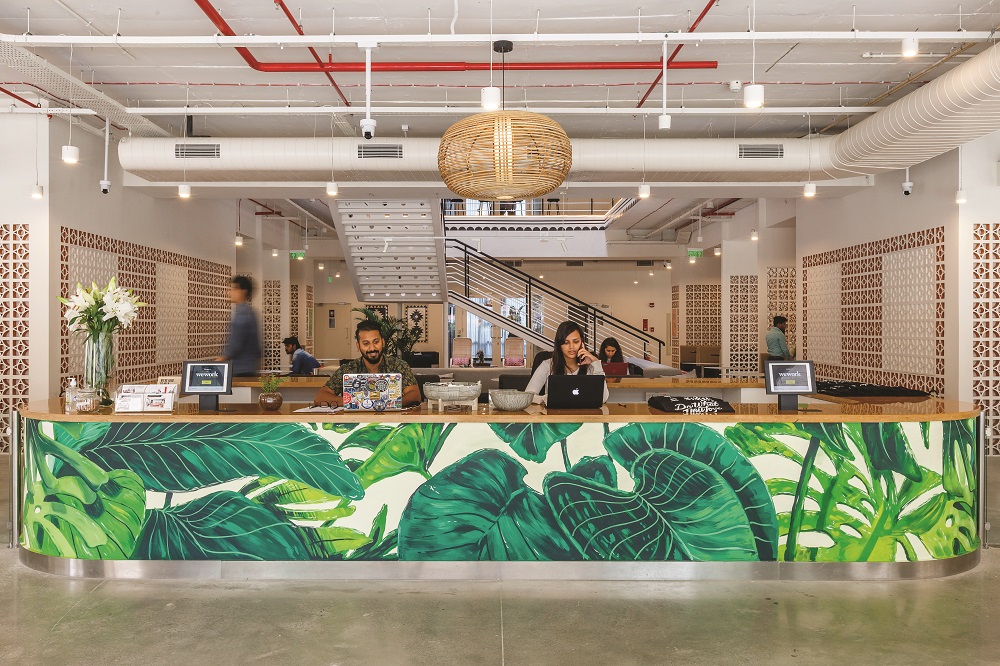
Steve Jobs and Apple changed the world through a commitment to quality and an unwavering pursuit of progress. They threw away the rulebook and asked one simple question: how can design improve our lives? Within corporate interiors, there are many parallels to this ideology. The question we ask is: how can design shape the way in which we experience the workplace, and foster productivity, creativity and connectivity?
This notion goes beyond the final aesthetics; it speaks to the fundamentals of how we perceive and subconsciously respond to space. Human behavioural patterns can be directly linked to the environment i.e. a well-designed space actually influences our behaviour.
“Workplace design in the current scenario is not just about creating a comfortable environment through materials, but also creating different types of spaces. As we’re moving forward, everyone is looking to adapt to emerging ways of working. This has encouraged companies to capitalise on the flexibility and offer a space that can transform based on different needs,” explains Arnav Gussain, Head of Real Estate, Product and Procurement, WeWork India.

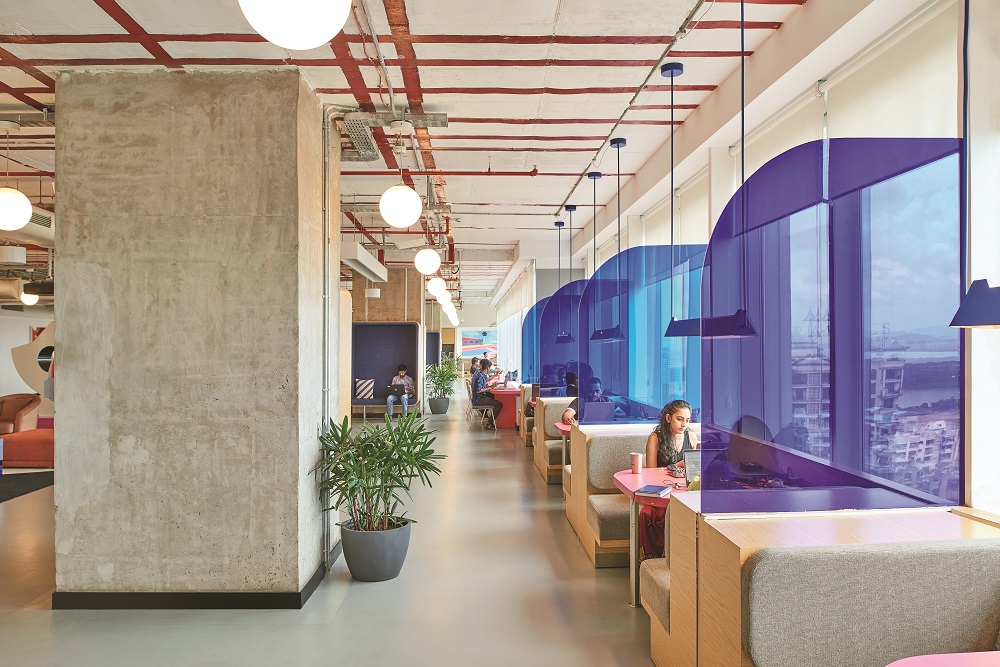
The introduction of collaboration areas, phone booths, multifunctional breakout areas, etc., supports the ever-evolving complexities of today’s businesses. But one cannot ignore the impact on real estate prices. In many ways, the need for efficiencies and better space utilisation has driven space diversification.
Commercial spaces are continually evolving with the demand for better products and technological advancements. For smooth management of the office and utmost user satisfaction, a lot of things are taken into consideration. Captain Rajesh Sharma, Head – Administration, HDFC Bank, avers that “Technology has seen a new phase and grabbed a new identity from the time when most of us started working. And there is always something new to add to the glory of Technology. It might seem to be easy now, but a lot of things were going on when the era of Technology hadn’t started. We all have now adapted to the work and process of the new normal. The emerging mobile features and apps have helped us accelerate the working standards and how we plan to move forward.”

The modern workplace, although evolved, is showing significant failings. Miscellaneous noise, lack of privacy and other distractions are counted among the worst offenders. A lack of boundaries has reprogrammed inter-office relationships, allowing colleagues to be interrupted frequently, which negatively affects their ability to perform complex tasks. “There’s been a seismic shift, not just in how workplaces are being designed but also in how work is being conducted. Today, ‘work’ is not where you go but what you actually do. That’s the premise under which we’re all rethinking the workplace itself. It has challenged every assumption about how we even look at a physical workplace in the past. The focus is now on “how” work gets done rather than “where” it gets done.

Offices have also been in a constant state of flux since the pandemic. Employees themselves do not have clarity about what they want. They talk about the fatigue of working from home and the inability to collaborate, but when asked to return to the offices, they say they have to be here only two days a week. So it’s a conundrum. Many organisations are taking small steps in trying to gain and understand deeper insights about what employees want and what the employers, themselves, want to achieve out of it. This can only be done with a collaborative engagement across all the functions,” deciphers Praveen Vasudeva, Director -Global Real Estate – APAC & Japan, IBM.
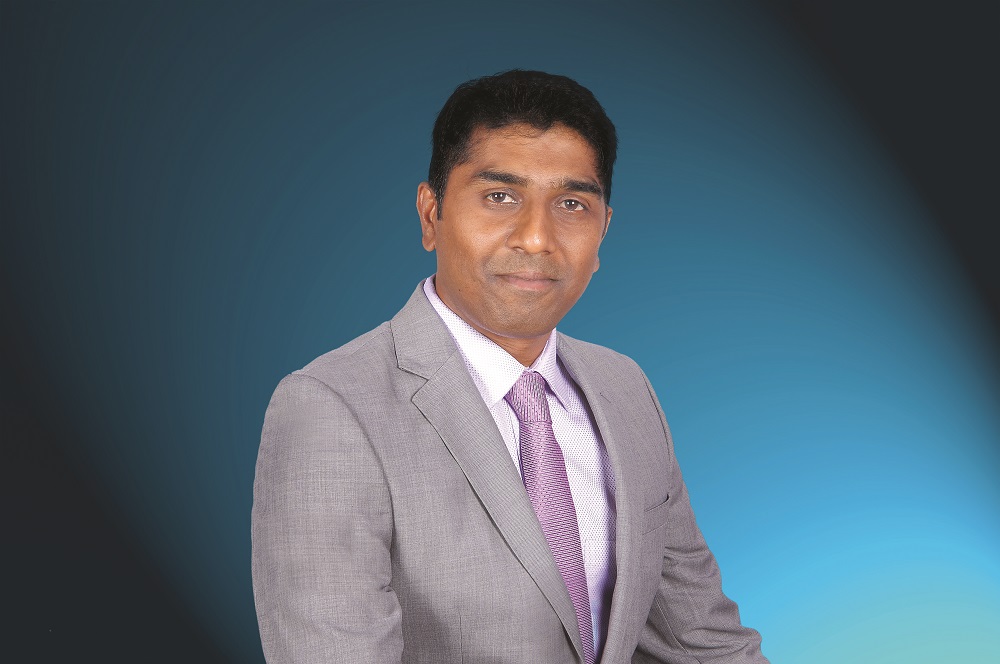
With regards to the changing design trends, Shravan Bendapudi, Studio Director at Gensler Bangalore, expounds that “There is such a diversity of company types and workstyles in the Indian market that I don’t think anything will be completely eliminated. It may be tempting to say, for example, that dedicated desking will now become a thing of the past, but tech product companies may continue to require dedicated desking since employees do have hardware setups at their desks. The optimistic side of me hopes that “trend-based design” disappears completely from workplace design. My hope is that, rather than just implementing what’s latest and what perceived industry leaders are doing, companies take the time to collaborate with partners to study what they specifically need first – creating specific goals in all four realms that I talked about earlier – and then let design cater to those requirements.”
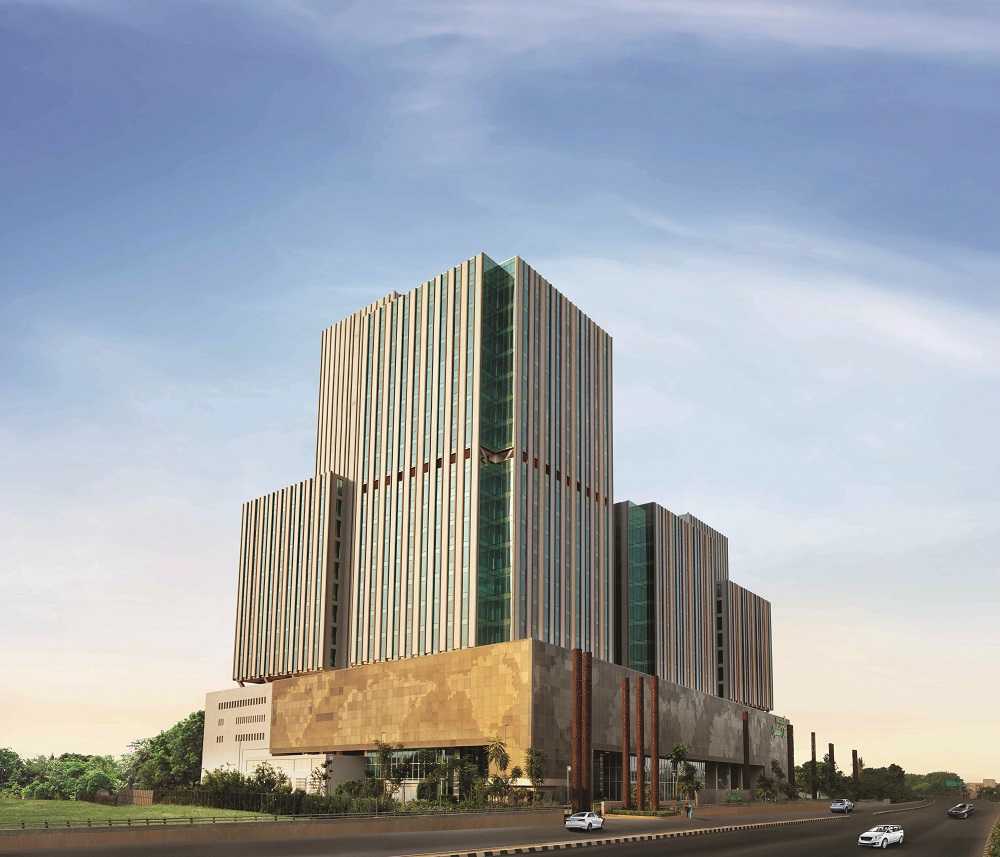

Employees are at the centre of office design and businesses are starting to understand that their main value lies with the workforce. The key to the future is understanding the needs and requirements of the individuals and the collective, cultivating growth, fostering collaboration and retaining staff. Although it must be intuitive, the forum within which this takes place is very much secondary to the occupants.

Subrata K C Sharma, COO – Commercial, Brigade Enterprises, reveals that with the aim to create people-centric workspaces, Brigade follows certain key aspects to provide effective real estates solutions, such as ensuring convenience in terms of mobility and office arrangements. This entails

well-designed parking with safe and quick access to the office, optimally designed vertical transportation, and building core and large span column grids to enable flexible spaces that evolve with the tenant’s requirements. In addition, most of their large office buildings have a central core design that allows for maximum ingress of natural light through high-performance glazing. They also have soft services and digitally accessible food and beverage ecosystems in place.

It’s time now to throw away the rulebook and start thinking about the workplace of the future – an environment where your international colleagues can “sit next to you” while still in another country; where individual working and team working can flip back and forth without changing seats; and where offices can produce the energy required from the staff themselves.

As Steve Jobs once said: “Design is not just what it looks like and feels like. Design is how it works.” And how it works has changed.