

From inception to completion, an interior design project involves great diligence and effort. It requires intricacy and deliberate planning in going back and forth with the client to decide the right design elements and install them. Interior design and build companies spend endless nights breaking their backs on perfecting the design, finding the best solutions and technology to bring the client’s dream to life.
Even though interior design projects can be arduous, embracing new-age technology can offer optimized design and build processes. Integration of technology in interior design and build projects continue to bring sweeping changes right from design to closure. This enables interior designers to focus on critical tasks and expedite the project journey. As a result, technological tools facilitate the next generation of commercial spaces equipped with intuitive, empathetic and seamless workspace design.
3D / virtual walkthroughs
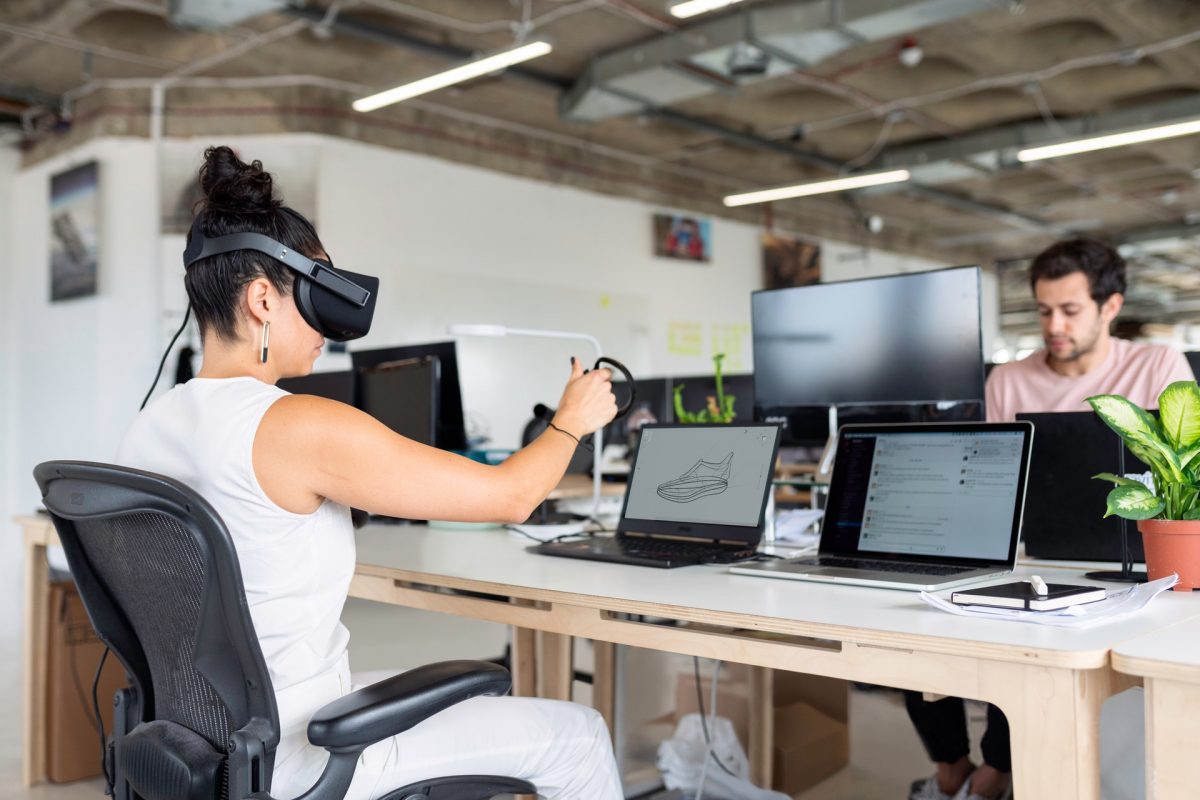
The only way a client could see the finished floor plan and design up until now was through obscure black and white 2D layouts. The infusion of Virtual Reality (VR) and Augmented Reality (AR) in interior designing has transformed the client’s experience. With the help of VR technology tools, they can tour the space, assess what design works best and spot errors in real-time. As a result, interior design companies don’t have to spend hours explaining complex designs to them and clients don’t have to take mental leaps to grasp the concepts and designs. This results in saving huge costs and time as changes can be made in the very initial stage before breaking the floor.
SaaS platform to decide design elements
With the advent of SaaS Platforms, clients can now walk around virtual stores instead of having to visit a plethora of brick-and-mortar stores to select furniture and furnishings. These cutting-edge virtual stores allow retailers to showcase a wide variety of their products digitally in different virtual environments. They can add or edit these digital catalogues and gain insights into customer behaviour and preferences. As a result, the whole process in customer interactions can be optimized and heavy costs can be avoided on building a store, physical merchandising and cataloguing.
Augmented reality for an immersive experience
New-age technology such as Augmented Reality can bring life into an empty and lifeless space. Interior designers can enrich their client experience by allowing them to visualize design elements. Clients can choose in real-time what wallpaper would go best with what flooring through market available products. They can make changes and recommendations as per their requirements. Designers can also share virtual photos and videos to give them a bird’s eye view of the finished floor. This results in significant time savings for iterations and discussions and enhances the client experience.
Integrated Project Platform
Digitalization in interior design has led to the emergence of single platforms where designing, procurement and execution stages can be integrated. On such platforms, designers can create design plans, manage resources and design quality, manage supply chain and cost and analyze on-site execution, cost and timelines. As a result, the interior design process can be streamlined and expedited with efficiency.
Customer-centric design process
A client’s involvement becomes essential to the design process to convert their vision into reality seamlessly. However, interior designers have always created project designs and layouts alone and a client is only asked for approvals. Now, as technology has enabled designs to be created digitally, interior design companies can create customer-centric designs as they plan floor layouts and interiors based on client requirements. This makes the client feel valued and included while minimizing the need for changes and recurring discussions.
Final Thoughts
Technological advancements and widespread adoption have been transforming and reforming the world of interior design. From 3D design layouts, Virtual Reality (VR) walkthroughs and digital stores to integrated platforms and better client communication- digital tools are strengthening and streamlining the many processes of interior design. As a result, commercial design and build companies are heightening project accuracy, relaying ideas better, minimizing errors, bringing designs to life and elevating client experience. It is not only expediting a project journey but also saving money, enhancing the client experience and bolstering the interior design process and project.